Privacy on trial: Supreme Court weighs 'geofence warrants' collecting data of citizens
Arguments raised over new type of digital warrant, SCOTUS case revolves around Virginia bank robbery

CHICAGO (WLS) -- Civil rights advocates say your privacy is on trial. The U.S. Supreme Court heard arguments this week in a case centered around a specialized warrant used by law enforcement to collect a person's cellphone information and location based on whether they are in a geographic area versus directly suspected of committing a crime.
It's called a "geofencing warrant". Law enforcement can compel tech companies to provide personal information from people in a specific area if they were simply near a crime committed.
ABC7 Chicago is now streaming 24/7. Click here to watch
ABC7 Chief Legal Affairs Analyst Gil Soffer said these warrants have serious implications for your privacy in the digital age, and it's understandable why the argument over their use has reached the halls of the Supreme Court.
"It's been decades now that the Supreme Court's had to tussle with this," Soffer said. "Where there are new technologies evolving and new answers have to be found."
Soffer said the central question in this case revolves around whether geofencing warrants violate your Fourth Amendment right to privacy, since they are typically used when law enforcement does not have a suspect for a crime.
The core theory against these warrants' use is, "this is not specific at all. It applies broadly. It sweeps in potentially hundreds, thousands of people who clearly are not suspects and would never be suspects, and therefore it is too insufficiently specific," Soffer said.
One of the government's arguments is that these warrants are important and effective law enforcement tools to find suspects in this digital age.
The second argument, Soffer explained, is that "people who permit Google to track their location, who don't disable that function, which they could, those people don't any longer have a reasonable expectation of privacy."
The case before the U.S. Supreme Court -- Chatrie v. United States -- revolves around a Virginia bank robbery suspect and more than a dozen others caught up in the geofence warrant.
Top Stories

According to the case, "law enforcement obtained, and served on Google, a geofence warrant seeking anonymized location data for every device within 150 meters of the location of a bank robbery within one hour of the robbery."
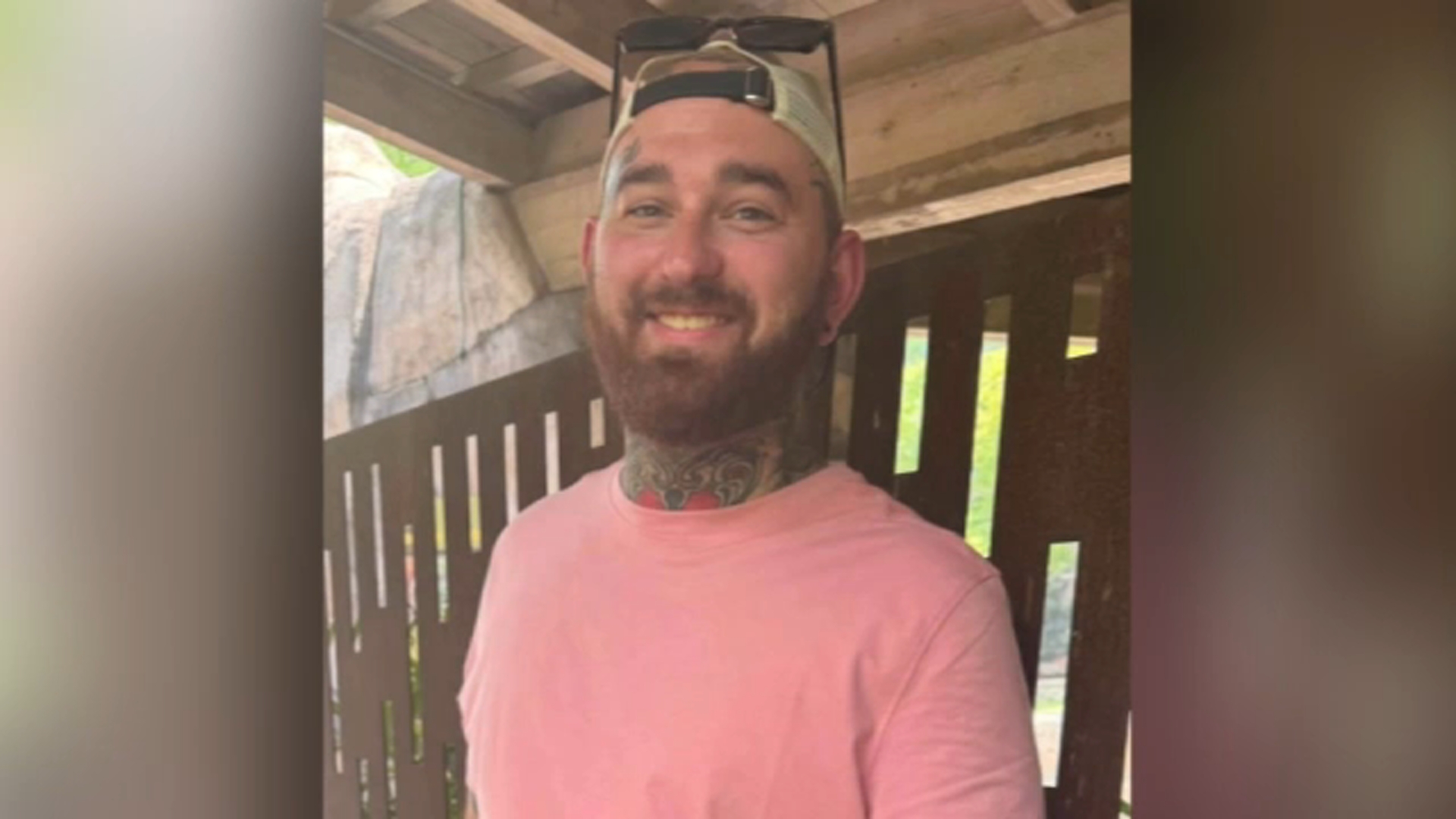
One of those devices belonged to petitioner Okello Chatrie, who was indicted on charges related to the Virginia bank robbery, and is seeking to have key cellphone location evidence against him disqualified.
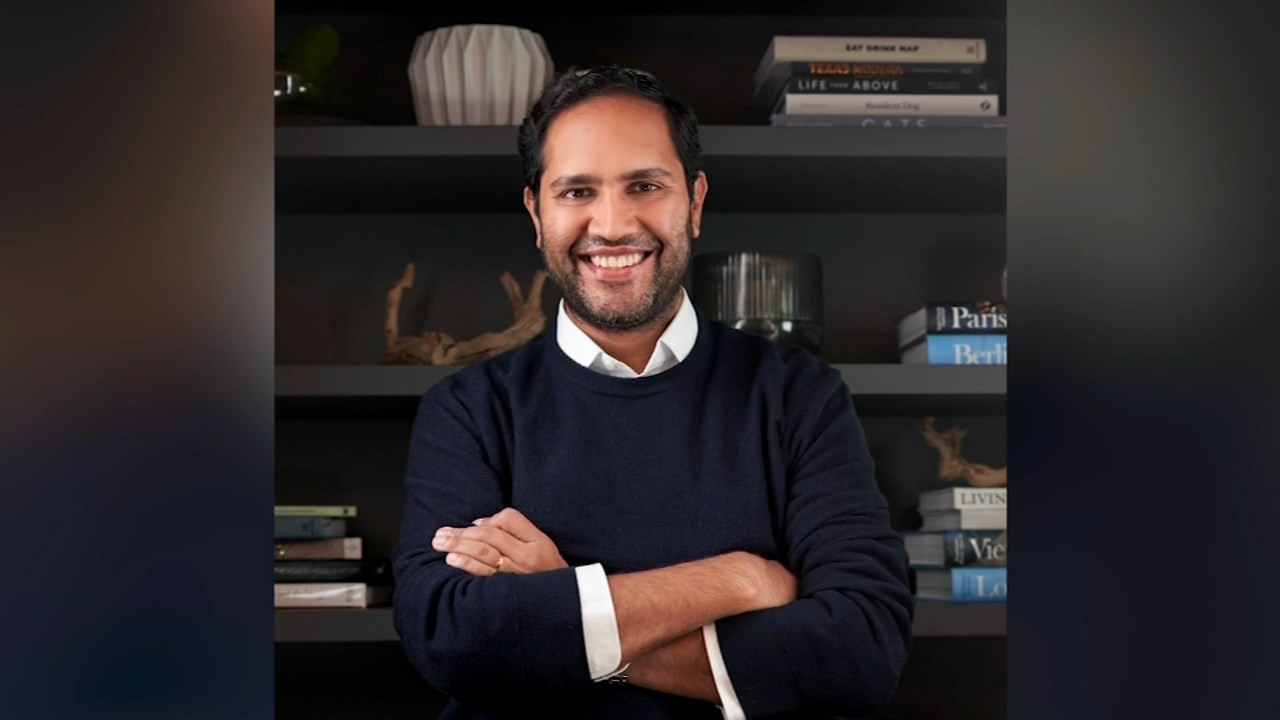
Tomczak Law Group attorney Patricia Kalkanis out of Joliet was in Washington for those oral arguments at the Supreme Court this week.
"They did say that they had pulled 19 people, okay, to see who was there, who wasn't there, who was in the vicinity [of the Virginia bank]," Kalkanis said. "And just think 18 of those people that were not involved with this, their location, their information was exposed."
Kalkanis said this case is anything but ordinary.
"Why should they be allowed to grab all of those other 18 people and have their information freely exposed without any sort of warrant?" Kalkanis asked, "That's exactly what the concerns are. That's why it is a fascinating issue, and it's kind of hard to put yourself on a particular side of this."
Kalkanis added that the Supreme Court Justices questioned each side of the argument rigorously.
"They were just as, you know, just as forceful with each attorney asking very difficult questions of both sides," Kalkanis said. "A lot of comparisons that were utilized were in regard to... when you put out your trash right at the end of your driveway and your trash cans no longer have privacy."
"A lot of this was coming from where the stage of privacy begins and ends," Kalkanis said.
Deliberations over the case are ongoing, with a decision in the case expected by the end of June.
Soffer told the I-Team he expects the Supreme Court to find a middle ground in an effort to balance privacy rights with law enforcement needs.