6 months into Iran war, Chicago-area experts question path forward as costs mount


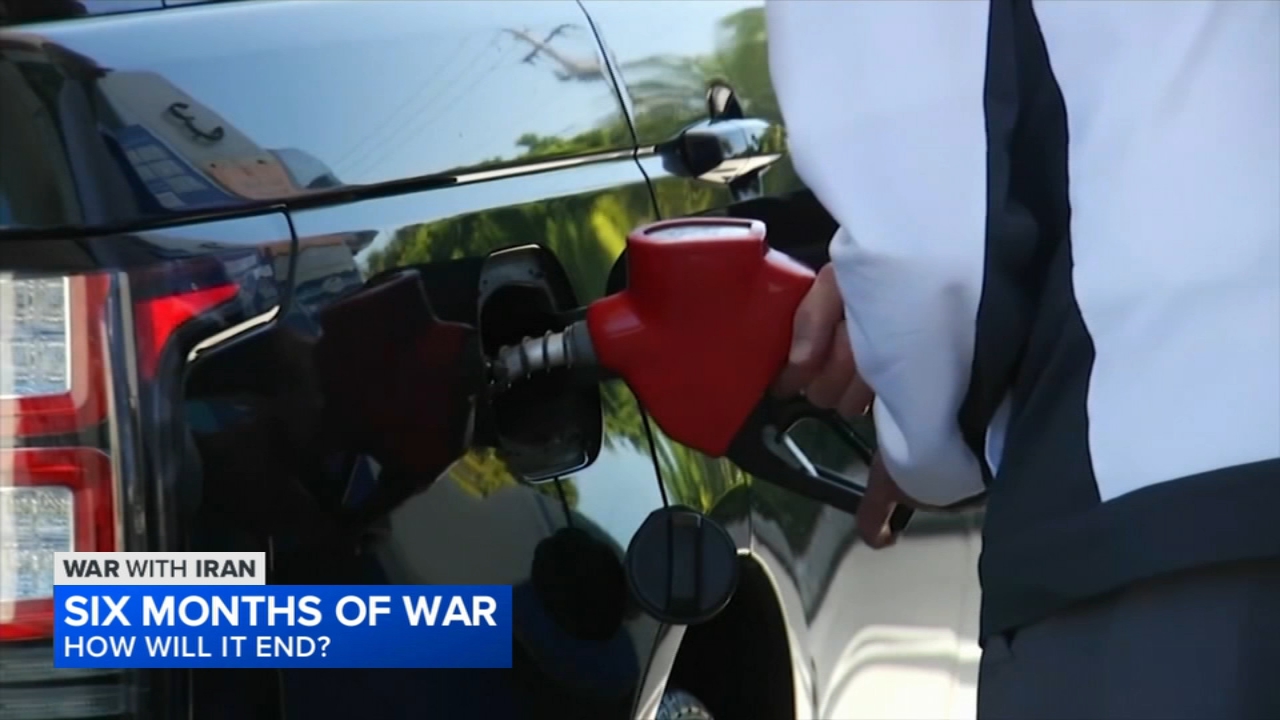
CHICAGO (WLS) -- Six months after the United States and Israel launched strikes on Iran, experts and members of the Chicago area's Iranian American community say the conflict has taken a significant human and economic toll, with no clear end in sight.
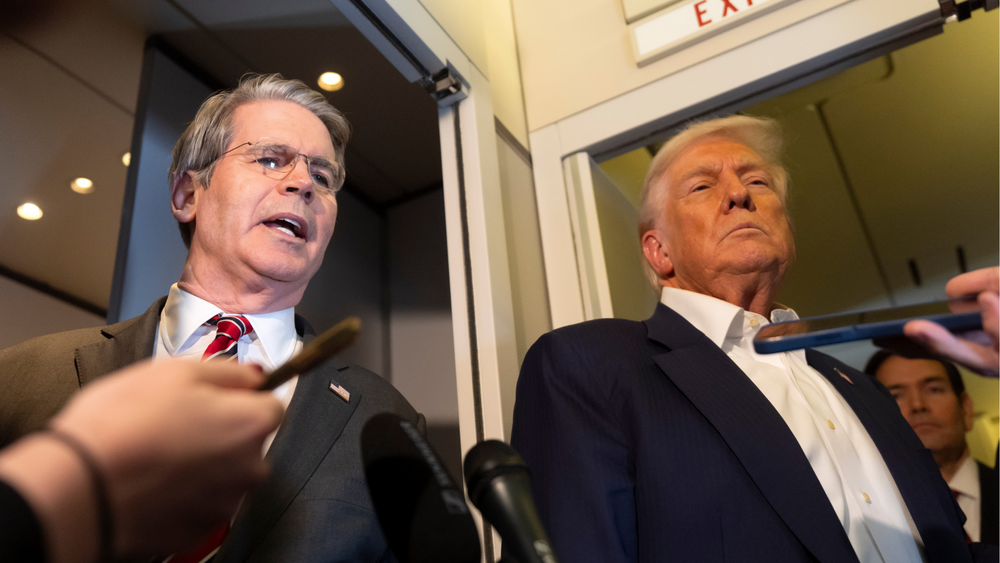
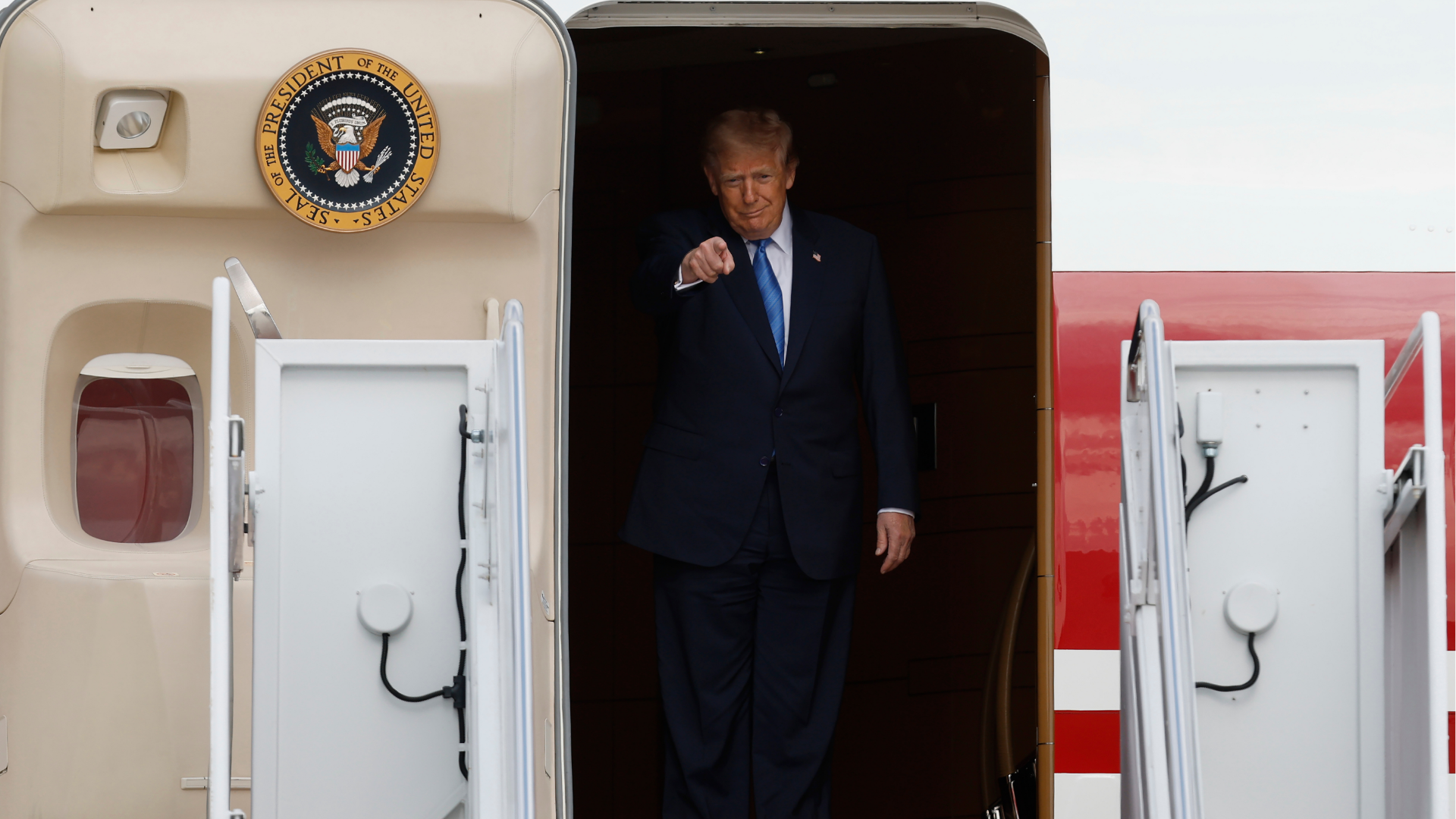
President Donald Trump had said the war would be brief, but the conflict continues six months later. According to those interviewed, the war has contributed to higher gas prices, loss of life and billions of dollars in spending.
ABC7 Chicago is now streaming 24/7. Click here to watch
"The lesson after six months is that this is going nowhere, and that it's a tremendous drain on the American economy and on the people in the region," said Ian Hurd, a political science professor at Northwestern University.
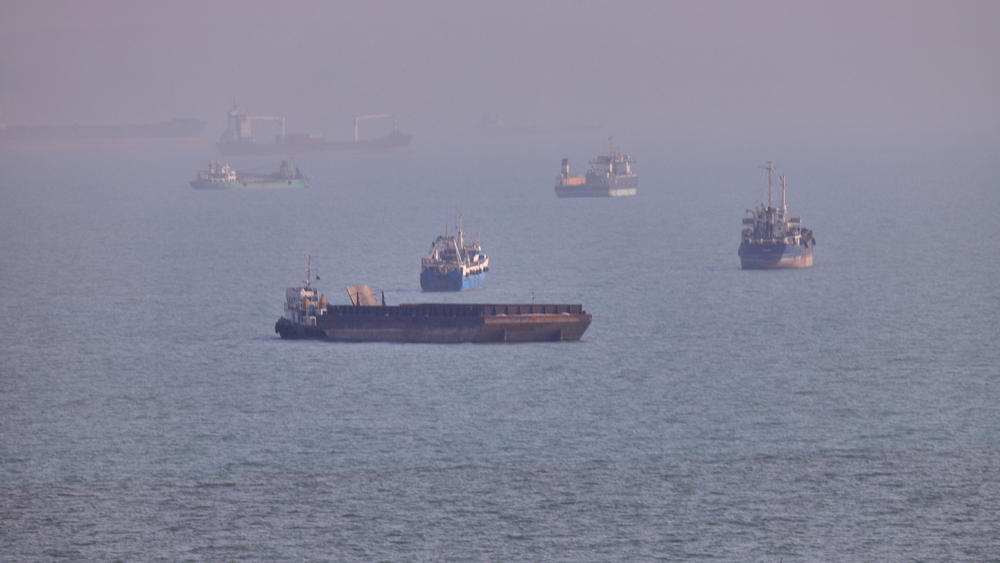
Hurd said the conflict has failed to achieve a decisive outcome. The Iranian regime remains in power after six months of war, while the Strait of Hormuz has been shut down, contributing to economic problems around the world.
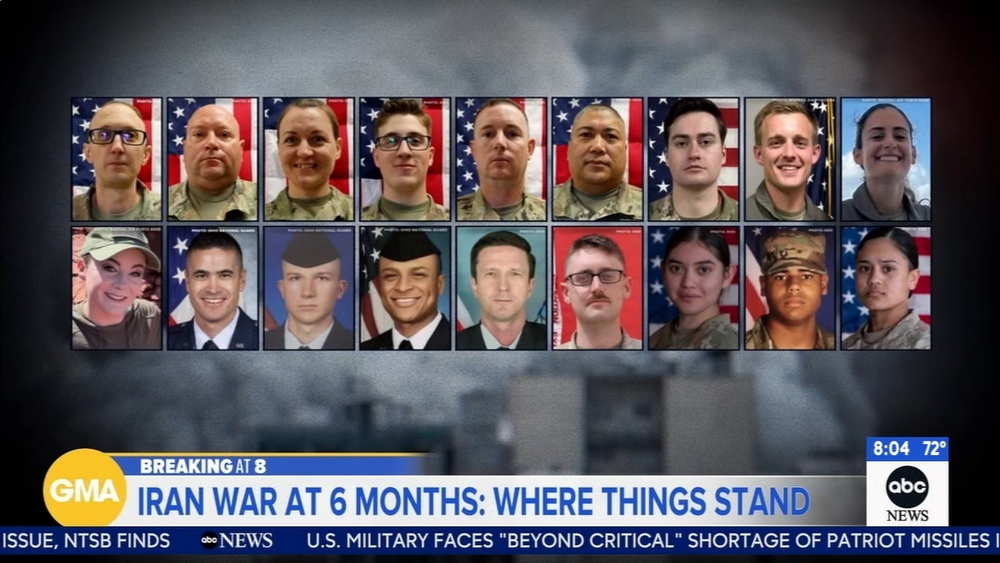
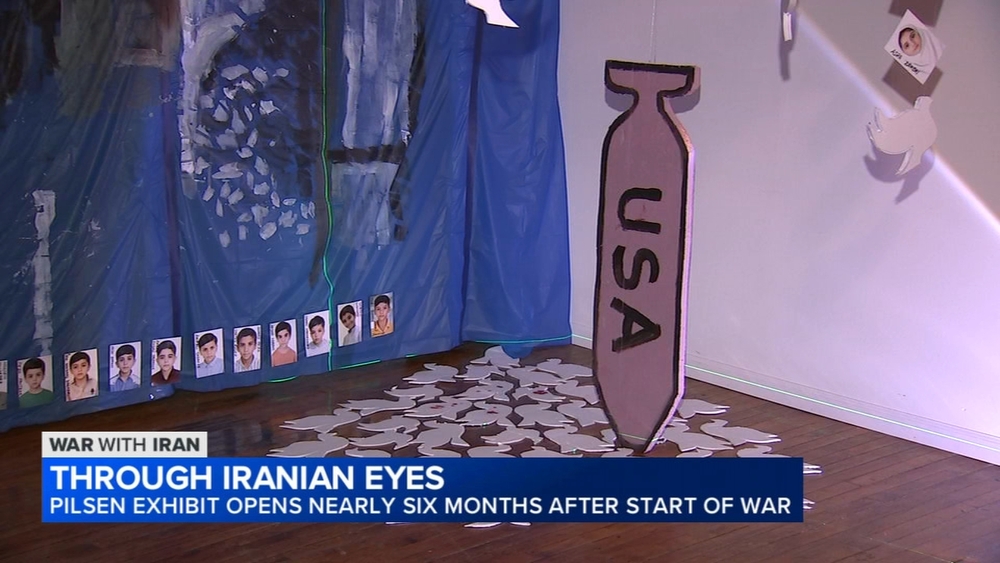
The human cost has also continued to grow. The conflict has resulted in the deaths of 18 U.S. service members and hundreds of injuries, while thousands of Iranians have died, including 120 school children.
Manoocher Shadnia, president of the Iran American Organization of Illinois, said the war has severely affected ordinary people in Iran.
"My brother has a Parkinson's; he cannot get his medication. I don't know how he is doing, and I can't even get hold of him because he's too sick to even answer the phone," Shadnia said.
Shadnia argued that any political change in Iran must come from within the country rather than through military action from outside forces.
"Iranian people need to take care of their own problems, it was never an answer in the past, not an answer now," he said.
RELATED | Chicago exhibit highlights Iran war impact through photographers' perspectives at 6-month mark
Hurd said the United States has a choice about whether to continue the conflict and argued that diplomacy remains an option.
"It's a matter of the White House realizing, they don't have to continue down this path, they have a choice. They can have a diplomatic solution any time they want. They just need to get out of their own way," Hurd said.
One question surrounding an end to the war is whether Iran would continue to control the Strait of Hormuz. Hurd said he believes conditions would likely return to what they were before the conflict began, when the waterway remained open.
"The Americans want to keep energy flowing, and the Iranians want to export. So it works well for all sides," Hurd said.
Looking ahead, some hope the November midterm elections could prompt action to end the conflict. However, Hurd predicted the war could continue longer because, he said, the Trump administration fears that ending it may make the president appear weak. Just this week, Trump said he is "no rush."