Chicago medical experts speak out against RFK Jr. canceling mRNA vaccine funding


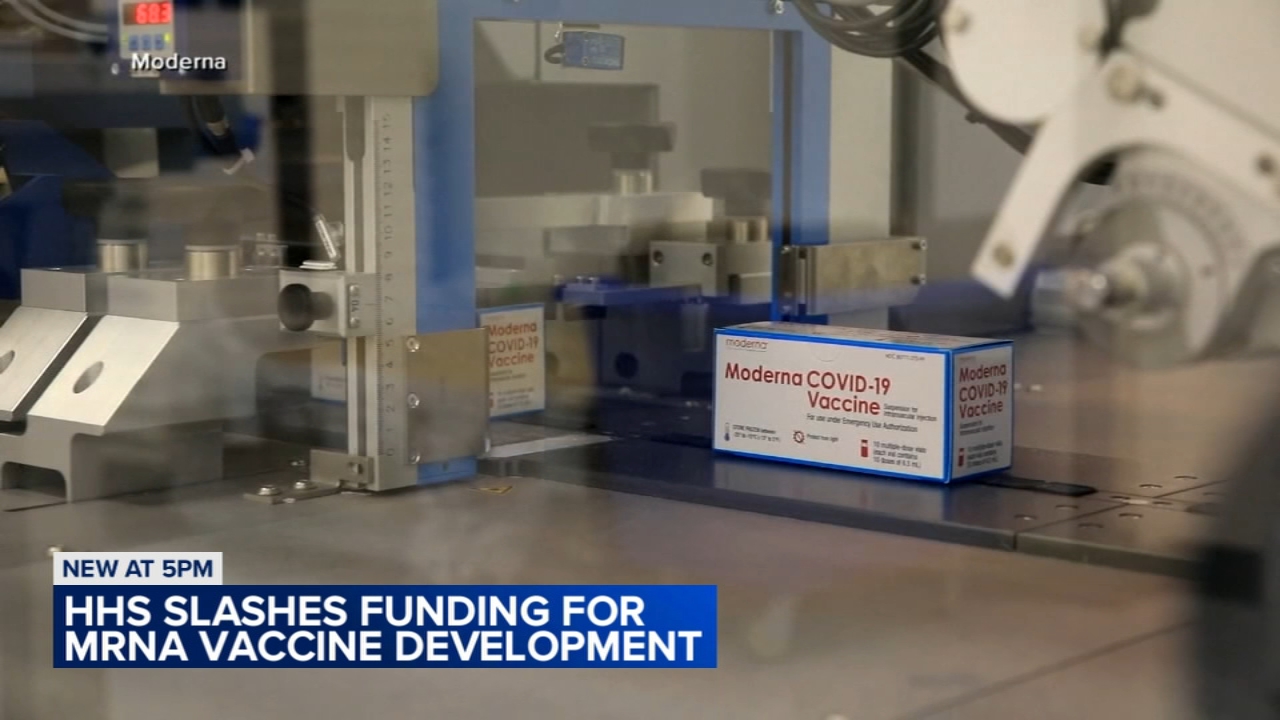
WASHINGTON (WLS) -- Medical experts in the Chicago area are weighing in on the decision by U.S. Health and Human Services Secretary Robert F. Kennedy Jr. to cancel $500 million in funding for mRNA vaccine development.
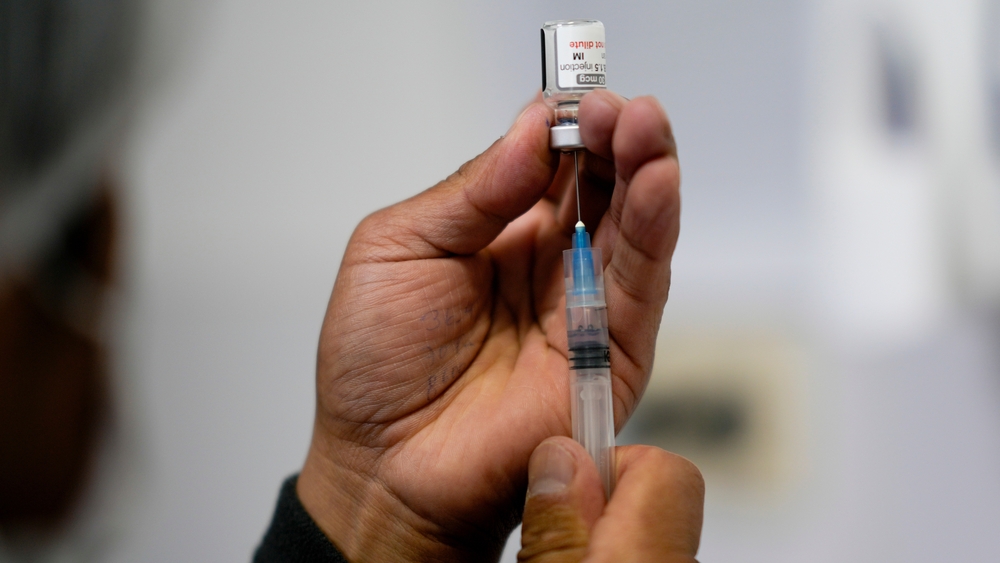
The technology was used to develop vaccines during the pandemic that helped to curb COVID-19.
ABC7 Chicago is now streaming 24/7. Click here to watch
It is a decades-old technology that doctors say helped save lives and kept people out of hospitals during the COVID pandemic, but government funding is being slashed for vaccines developed with mRNA.
The University of Illinois Chicago was on the front lines for testing the COVID vaccine. The infectious diseases department led trials for vaccines developed with mRNA technology.
The M stands for messenger. It's role is to carry genetic information from DNA to make protein in cells.
"This was the textbook that our body used to learn what COVID was and how to respond to it when we were exposed to it," said Dr. Stockton Mayer, UI Health Infectious Diseases Interim Chief.
It was technology already developed by the time COVID hit. It allowed scientists to quickly develop a COVID vaccine and produce enough for a pandemic.
"This was a planned response to a pandemic that we knew would come someday it was technology that we thought could be deployed in exactly this situation and it worked amazingly," Dr. Mayer said.
Dr. Mayer says COVID vaccines proved to be safe and effective preventing deaths and hospitalizations, but RFK Jr., a known vaccine skeptic, disagrees.
"HHS has determined mRNA technology poses more risks than benefits for these repository viruses," Kennedy said.
SEE ALSO | RFK Jr. plans to oust 'woke' advisory panel on cancer screenings, preventive health: Sources
Kennedy announced the Trump administration is cutting $500 million in mRNA vaccine contracts. Dr. Mayer says the decision is based on false information. He and other infectious diseases experts say COVID vaccines carry far more benefits than risks.
"It was an amazing achievement, and I think that this announcement, it kind of undermines the scope of that achievement, which I find really interesting, because it was the same administration before that actually got the job done," Dr. Mayer said.
Without the technology, the medical community is concerned about the future, especially with no guidance from the government on a path forward.
"I think this is going to make the response to future pandemics certainly a lot more difficult," Dr. Mayer said.
Regardless of the decisions Sec. Kennedy makes, doctors say it won't change the way they care for patients. However, Dr. Mayer says it does make it easier with guidance from the government based on facts and science.