South Side residents push back on proposed Amtrak maintenance facility, railroad shares new details


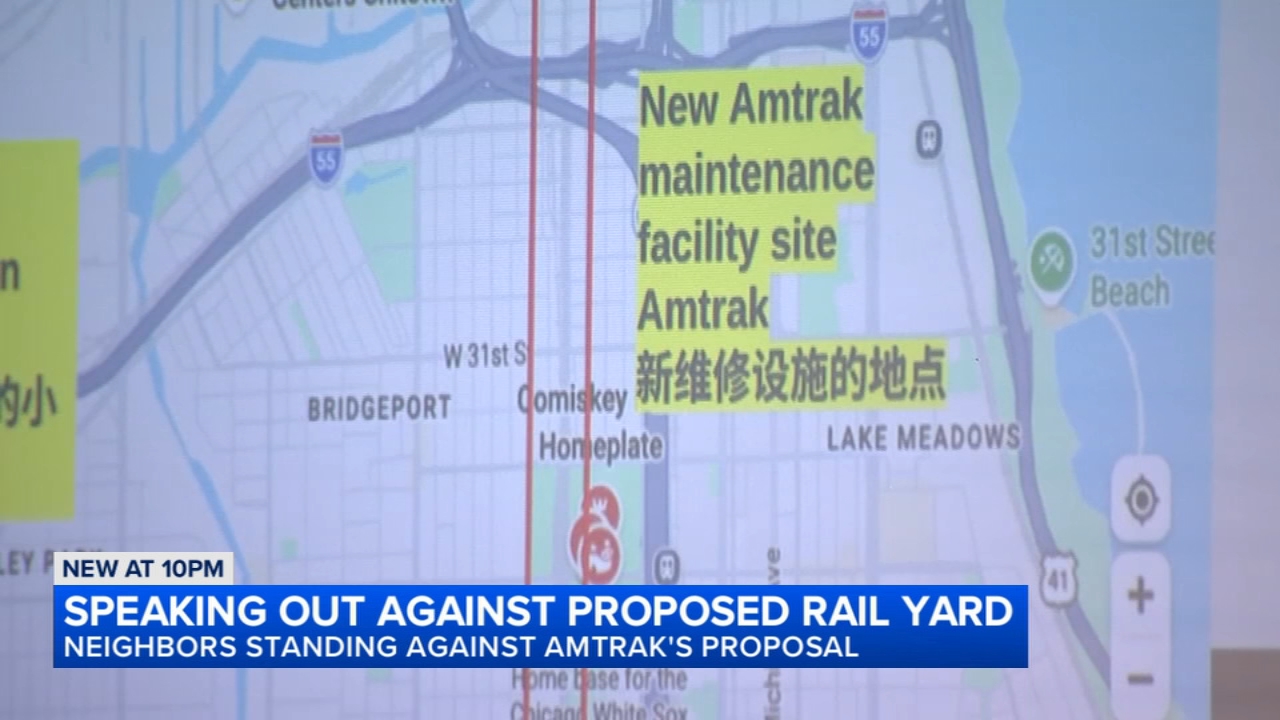
CHICAGO (WLS) -- Residents in Bridgeport and Chinatown packed a community meeting Wednesday night to voice concerns about a proposed Amtrak maintenance facility, while the railroad released new information about a project it says is needed to modernize passenger rail operations in the Midwest.
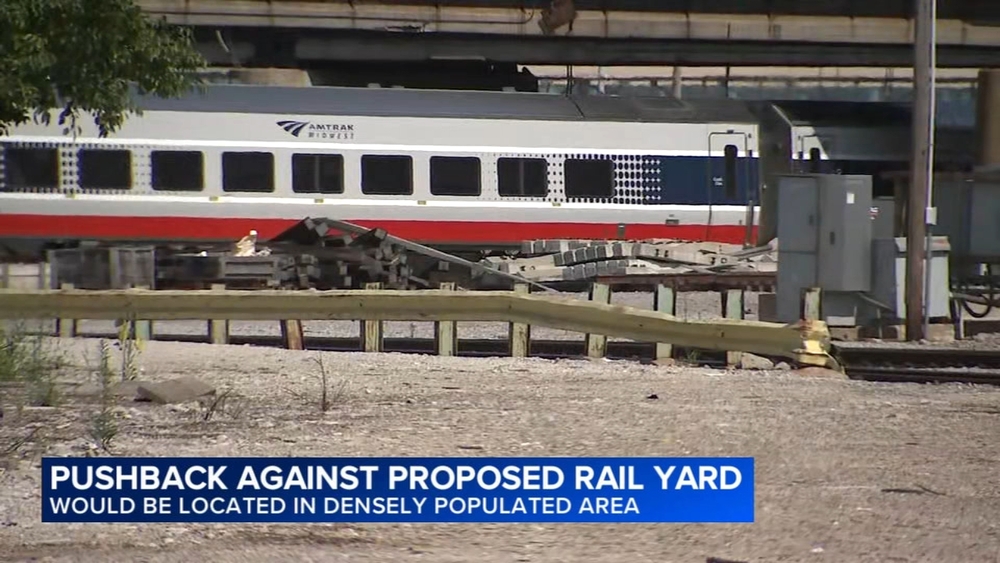
Neighbors say they were blindsided by plans to build the facility at the Canal Street Yard near Rate Field and close to homes and businesses.
"Nobody knew about this. Nobody knew about it," Bridgeport business owner Randolph Jue said.
ABC7 Chicago is now streaming 24/7. Click here to watch
Residents said they are not opposed to trains already operating through the neighborhood. Instead, many say they are concerned about the impact of a maintenance facility that would operate around the clock, raising questions about noise, air quality and property values.
"I'd like them to stay where they are and leave us alone," Bridgeport resident Philip Basso said.
Sabrina Basso, who lives near the rail yard, said she worries about the potential health impacts of the project.
"If they build this maintenance facility here, it's going to be 24/7 and someone with lung issues like me, well the reality of living here is gone," she said.
The proposal would relocate Amtrak operations from its current South Loop yard to Bridgeport. The move would free up land near The 78 development area, where discussions have also included a possible future White Sox stadium site.
READ MORE | Bridgeport residents oppose proposed Amtrak rail yard near Chicago White Sox stadium
During a community meeting in Chinatown, residents pressed city leaders and environmental advocates for answers about the proposal. Ald. Nicole Lee criticized what she described as a lack of community engagement.
"We are not against modernization, but this is unacceptable. This is not how you engage a community," Lee said.
City leaders said the project received a federal categorical exclusion, allowing it to move forward without a full environmental impact study.
Amtrak, however, says environmental assessments were conducted as part of the project's review process and that future work will comply with environmental requirements.
The railroad says the proposed facility would provide indoor train inspection and maintenance, train servicing, storage and support functions for passenger trains operating through Chicago Union Station, throughout the Midwest and across the country.
According to information provided to ABC7, Amtrak evaluated redevelopment of its existing 14th Street Yard, Union Pacific's Global 1 facility and Canal Street Yard before selecting the Canal Street site. The railroad says Canal Street Yard best met its operational needs because of its proximity to Union Station, existing rail connections and available acreage.
Amtrak says construction would take approximately 18 months, with operations potentially beginning in 2027 or 2028.
The railroad also says most maintenance and inspection work would take place inside an enclosed building. While the facility would operate 24 hours a day, Amtrak says overnight servicing would largely occur indoors and train movements would be concentrated during daytime and early evening hours.
Amtrak says its Midwest locomotives meet the highest federal emissions standards currently applicable to new locomotives and that wayside power would allow equipment to be plugged in instead of idling. The company also says air quality at the site is expected to improve compared with its previous freight-era operations.
The project is expected to involve approximately 3,000 construction workers during the build-out phase and support roughly 400 permanent jobs once operational, according to Amtrak. The railroad also says federal funding tied to the project would help repair aging viaducts, improve lighting and increase security around the rail yard.
Still, some community members remain unconvinced.
"These railyards will produce toxins that will harm our health," said Hannah Dembosky, founder of Bridgeport Environmentalists.
Lee said Amtrak has not yet provided city leaders with the findings of its environmental assessments, while environmental advocates pointed to research they say raises concerns about potential health impacts near rail facilities.
Organizers at the meeting said they plan to continue building opposition to the proposal and encouraging residents to stay involved as the process moves forward.
"We're going to shut this down. We are going to be strong enough to shut this down, not stop it. Shut it down," resident Ann Caruso said.