After the storms: How tornadoes are reshaping communities in Illinois, Indiana
Lasting impact of tree loss


CHICAGO (WLS) -- This summer's relentless wave of severe storms rewrote the record books across Illinois and Indiana.
Illinois recorded more than 140 confirmed tornadoes, while neighboring Indiana experienced powerful storms that left some residents without electricity for weeks.
The storms damaged homes, infrastructure and thousands of trees, prompting new discussions about preparedness and community resilience.
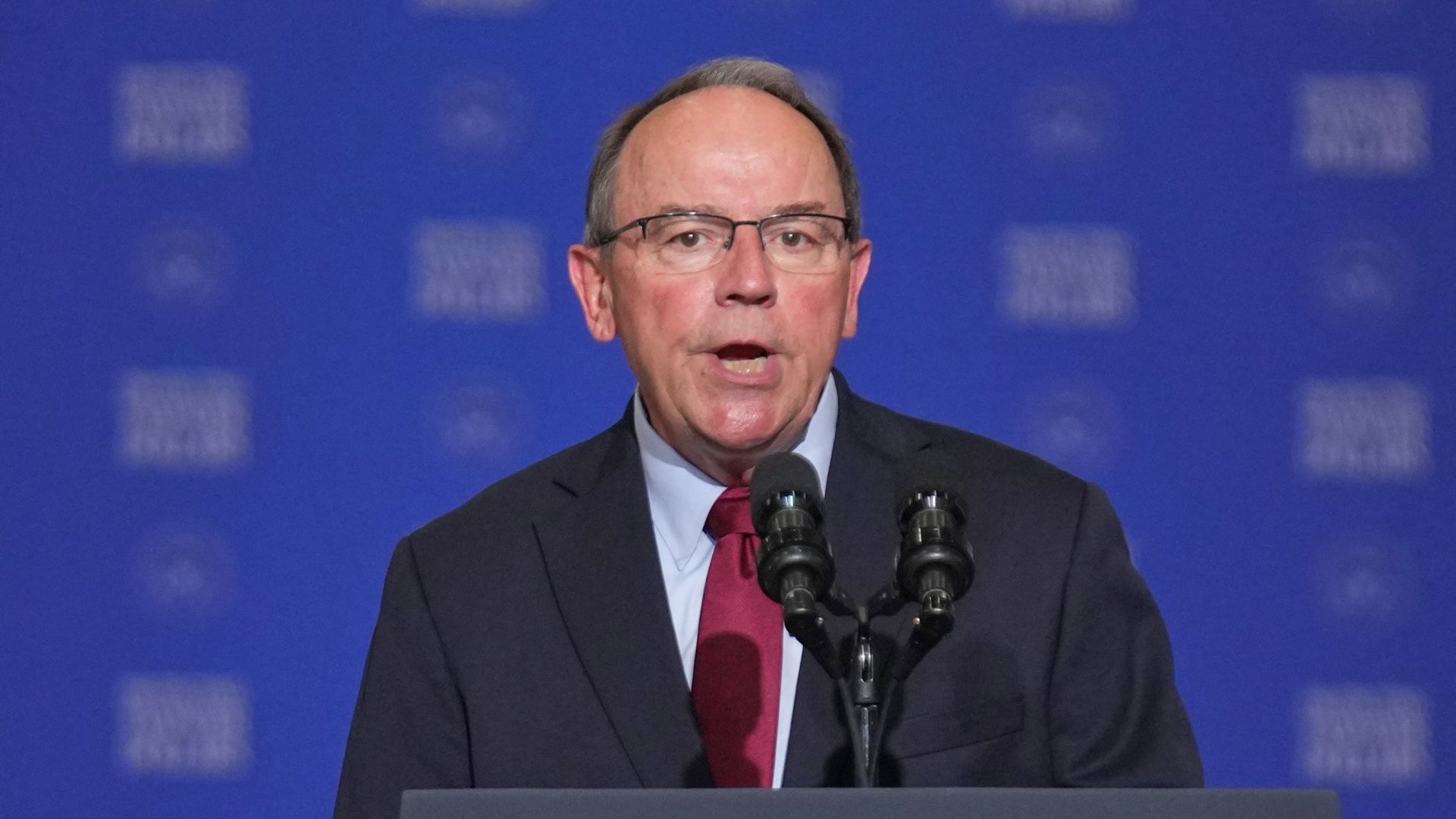
On this week's Our Chicago, host Tanja Babich spoke to Fred Gordon, director of the School of Public and Environmental Affairs at Indiana University Northwest, about the lessons communities should take away from the summer's storms.

"We have to be prepared for even the unexpected," Gordon said, emphasizing the importance of planning, communication and investments in infrastructure before disasters occur.
Gordon said communication is critical during storm recovery, particularly for vulnerable residents who rely on accurate information about power restoration and emergency services. He also stressed that residents should stay engaged with local governments and understand how communities are preparing for future emergencies.
Lasting impact of tree loss
One of the most visible reminders of this summer's severe storms was the loss of trees.
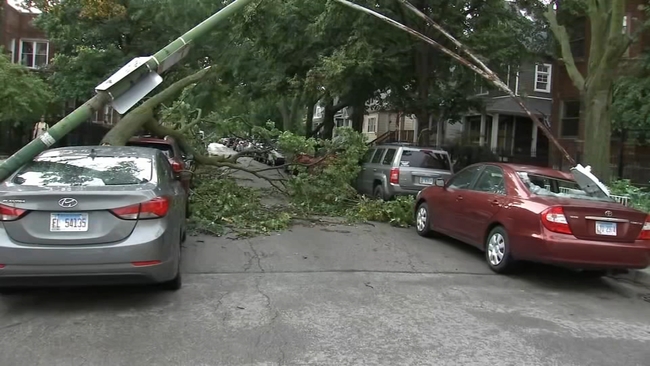
Murphy Westwood, vice president of science and conservation at Morton Arboretum, said storms are becoming an increasing threat to the region's tree canopy. She explained that tree canopy includes all of the trees that make up the region's urban forest, from city streets to natural areas.
Westwood said communities lose more than shade when mature trees disappear.
Trees help cool neighborhoods, improve air quality, increase property values and provide important mental and physical health benefits. According to Westwood, trees can cool homes and neighborhoods by as much as 10 degrees, helping residents manage extreme heat and lowering energy costs.
She also noted that communities can lose part of their identity when beloved trees are destroyed.
"People feel a loss when they lose a big, beautiful tree that has been a neighbor of theirs," Westwood said.
Replacing the benefits of mature trees is not a quick process.
"It takes decades," Westwood said, explaining that the value of a tree grows over time and that communities must both plant new trees and protect the ones they already have.
As communities continue recovering from this summer's storms, both experts agreed that preparation and long-term planning will be essential, whether that means strengthening infrastructure, improving communication or investing in the region's urban forest.