Some question effectiveness of Emergency Assistance Centers as another opens following mass shooting
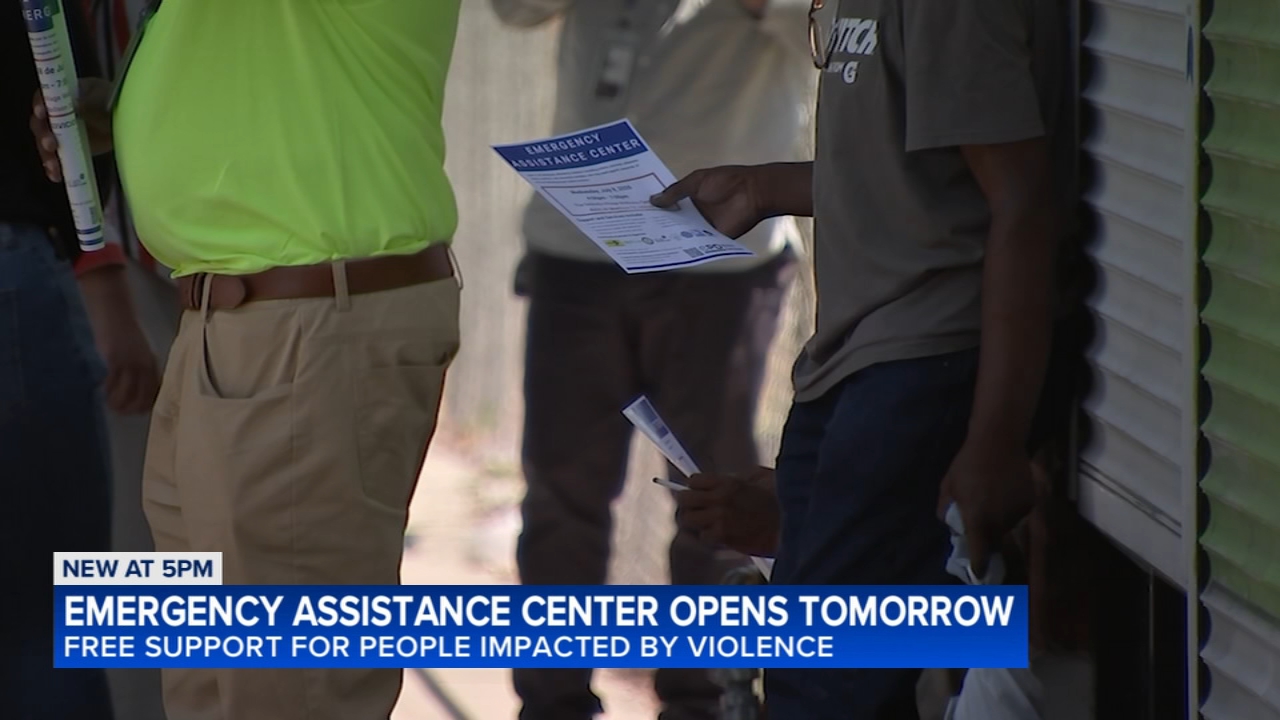


CHICAGO (WLS) -- A West Side wellness center that houses community support services is set to open as an Emergency Assistance Center Wednesday for residents affected by gun violence, though some Chicago alderpersons are questioning the effectiveness of the effort.
Violence intervention workers spent Tuesday distributing fliers along Madison Street in the West Garfield Park neighborhood to alert residents about the center, which will operate from 4 p.m. to 7 p.m. at the Sankofa Wellness Center at Madison Street and Kildare Avenue.
ABC7 Chicago is now streaming 24/7. Click here to watch
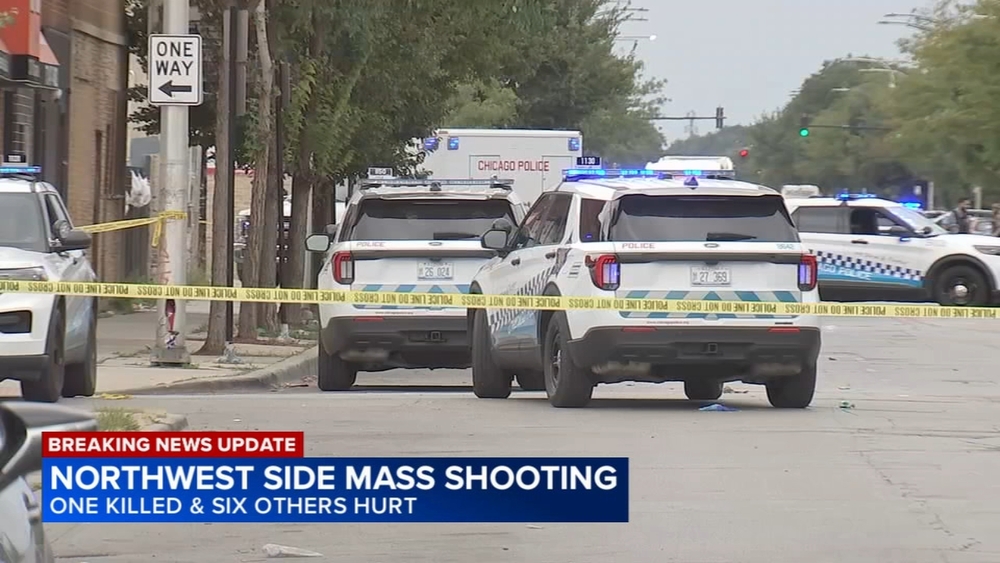
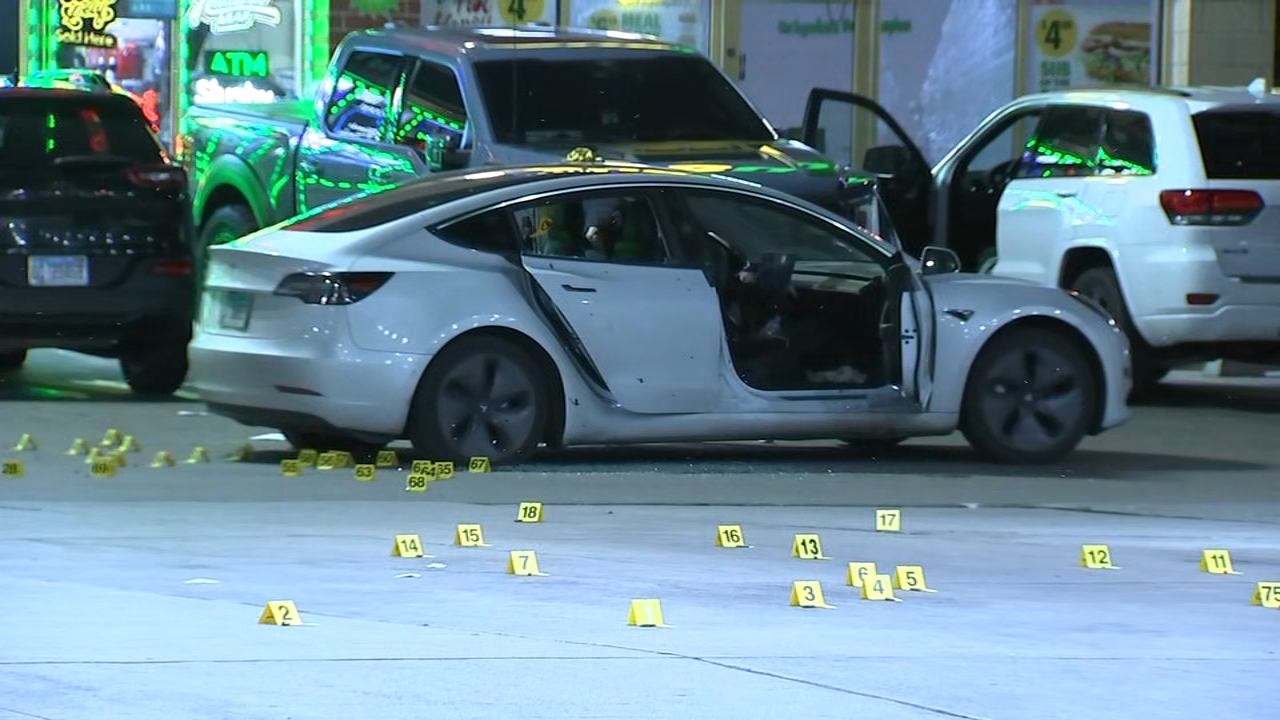
The one-day event comes after a mass shooting last weekend a few blocks away.
"Once we have a large shooting that's involving a number of victims, that will trigger an emergency assistance center," said Glen Brooks, director of community policing for the Chicago Police Department. "This is an initiative that we started after we consulted with the FBI. Chicago."
The West Garfield Park site is the third emergency assistance center opened in the past month.
Some Chicago City Council members have criticized the initiative and questioned whether it is reaching enough people.
"We only had three events when we've had over 200 people shot this summer this year already tells me that there's more work that needs to be done, if you're serious about this," said 15th Ward Ald. Ray Lopez. "Otherwise, this is just an election year gimmick."
Chicago police officials say the first two emergency assistance centers on the South Side were well attended, but not all elected officials are convinced.
SEE ALSO | CPD setting up Emergency Assistance Center in Cornell Square Park after mass shootings
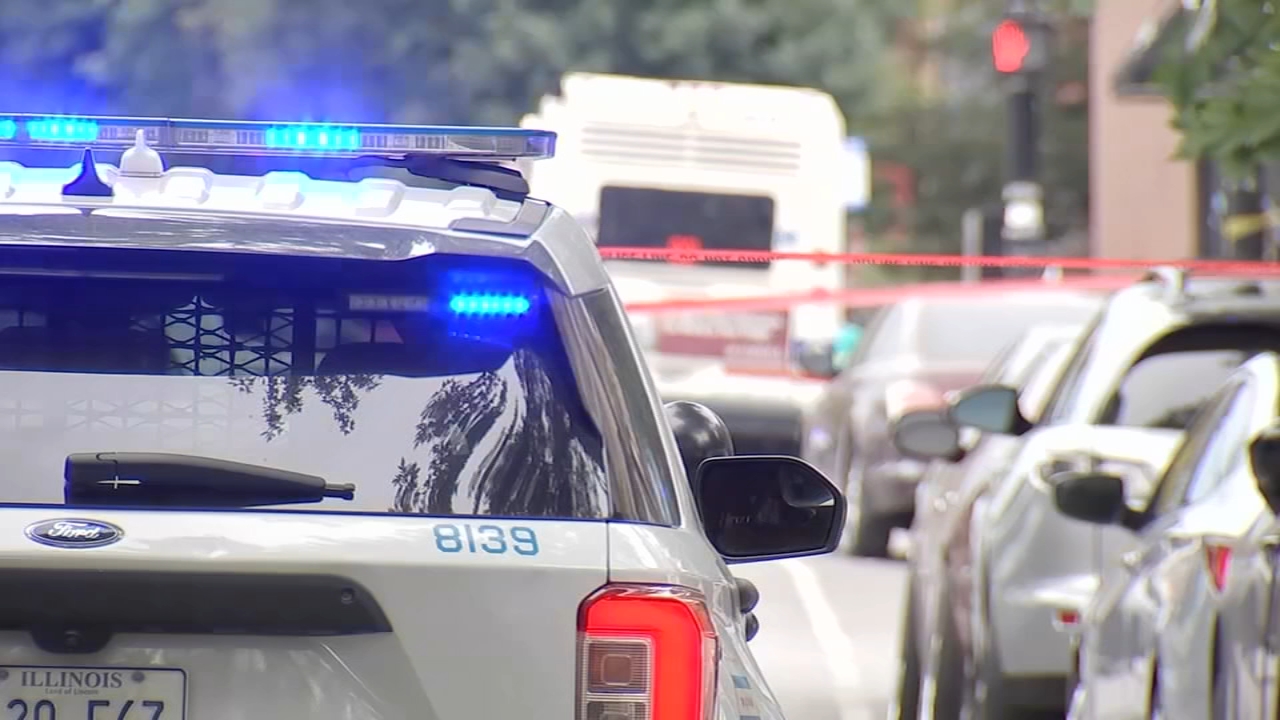
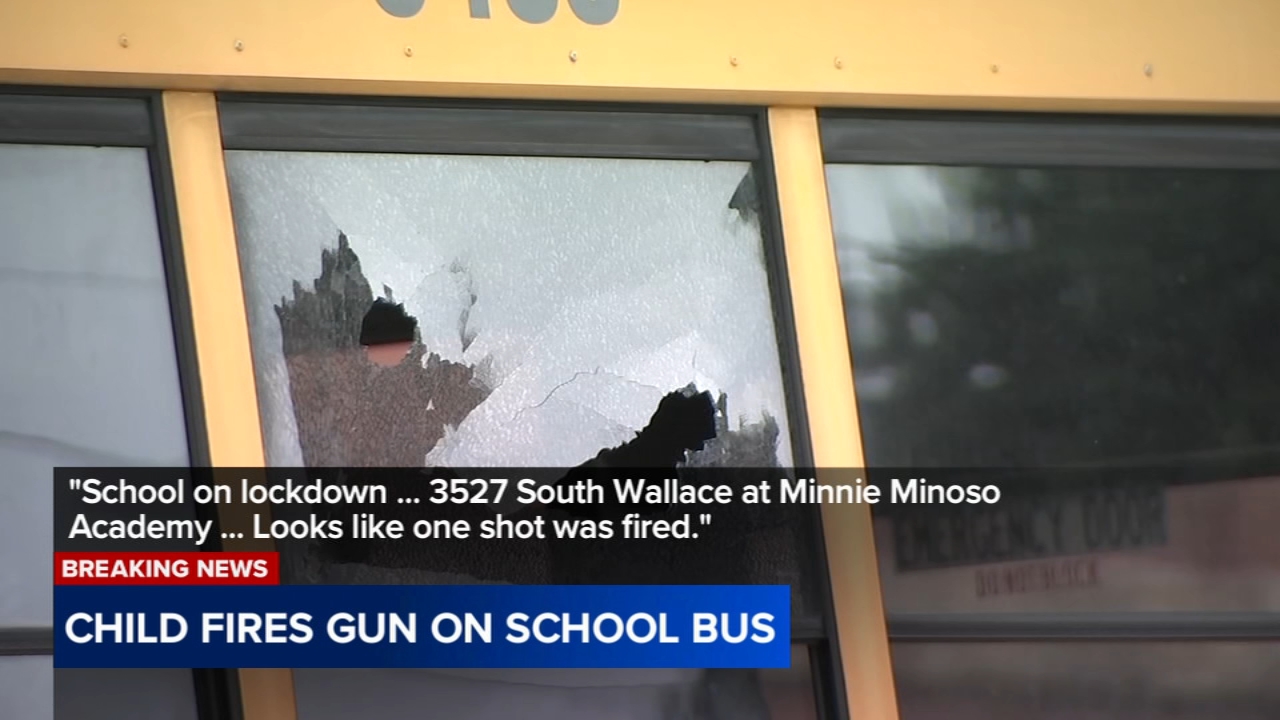
"You can't just parachute into a neighborhood in the aftermath of trauma and expect people are just going to show up to have the services that you're offering, no matter how well intended they are, so this seems to be just a waste of money to allow the mayor to say he's doing something," said Ald. Brian Hopkins, chair of the City Council's Public Safety Committee.
The emergency assistance centers offer free mental health support, victim compensation assistance and opportunities for residents to speak with detectives.
"It's not just a single police table there," Brooks said. "You will see organizations, you'll see between 10 to 12 different organizations there who are there to service the community."
Still, some city council members have expressed concerns that the presence of police could discourage residents who do not trust law enforcement from seeking help.
"The violence interventionists tell us that that's one of the keys to their success is to be completely separate from the police," Hopkins said.
Hopkins said he has requested information from the mayor's office and the Chicago Police Department regarding the cost of the emergency assistance centers but has not yet received it. Others, however, argue the centers are worthwhile if they help even one person recover from trauma.
Meanwhile, some longtime residents who declined to appear on camera because of fears about violence said that while emergency assistance centers may be helpful, they also want basic neighborhood issues addressed, including the replacement of broken street lights.
INTERACTIVE SAFETY TRACKER Track crime and safety in your neighborhood