Rev. Jesse Jackson to be moved out of ICU at Chicago hospital, Al Sharpton visiting


CHICAGO (WLS) -- The Rev. Jesse Jackson Sr. will be moved out of the Intensive Care Unit at Northwestern Memorial Hospital later Monday, his family said in a statement.
Jackson remains stable, they said.
He was diagnosed with Parkinson's syndrome in 2013. In April, the diagnosis changed to supranuclear palsy (PSP), a neurological disorder, the family said.
"We believe in the power of prayer, and we are grateful for the overwhelming outreach and prayers of the faithful. Our father is alert and continues to share his vision for churches and pastors to come together and reduce malnutrition during this period. He is enlisting 2,000 churches and pastors to distribute 2,000 baskets of food, to feed four million families this season," son and family spokesperson Yusef Jackson said.
The civil rights activist was hospitalized on Wednesday in Chicago, the Rainbow PUSH Coalition said.
"The Jackson family is grateful for the dedicated medical team at Northwestern Memorial Hospital and extends heartfelt appreciation for the many prayers and kind messages offered during this time. We will continue to provide daily briefings on Reverend Jackson's progress," the statement said.
The Rev. Al Sharpton said he was in Chicago Monday to visit Jackson in the hospital.
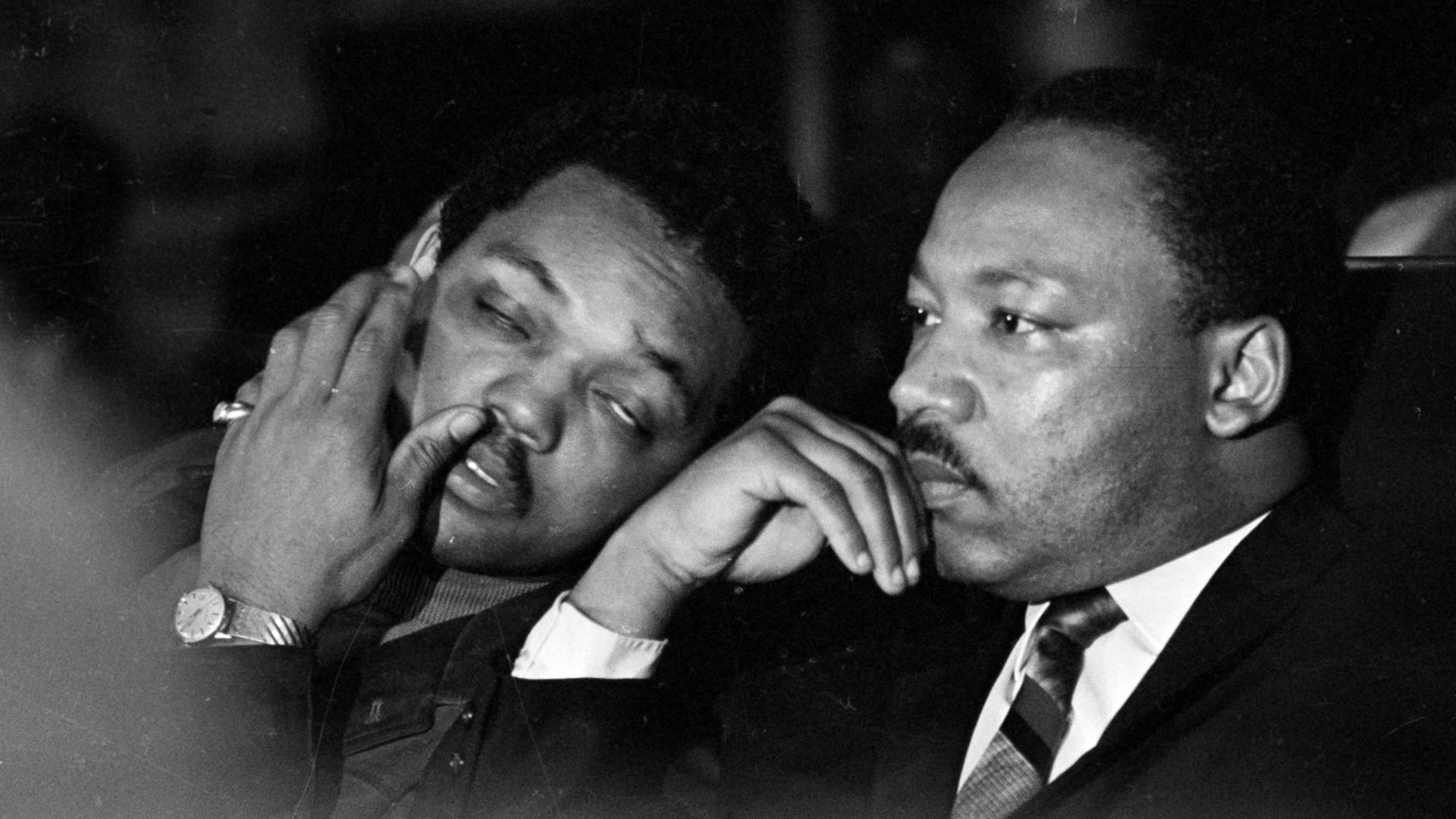
The 84-year-old gained national attention in the 1960s as Martin Luther King Jr.'s protégé. Jackson spent more than 60 years advocating for racial equality and economic justice. He ran for U.S. president in 1984 and 1988.
He helped to found the Chicago-based Rainbow PUSH Coalition, an organization dedicated to social justice. He spent nearly three decades leading Rainbow PUSH before stepping down in 2023.

What is PSP?
Dr. Jori Fleisher, a neurologist at Rush University Medical Center, said PSP is also known as "Parkinson's plus," or an atypical Parkinson's condition.
"People have this unusual tendency in PSP to fall backwards," Dr. Fleisher said. "It's almost like they are just standing still and they are kind of pushed backwards."
Dr. Behzad Elahi is a neurologist at UChicago Medicine. He is not working on Rev. Jackson's case, but described the disease as part of the same family as Parkinson's, but is more rare and more advanced, and it affects chewing, swallowing and balance. It is a disease where those closest to the patient must keep close watch.
"Less than 10% of those with Parkinsonism with or Parkinson disease will be diagnosed with PSP," Dr. Elahi said. "The family is everything. Currently, we don't have a cure for the disease. We have some medication that can help with some symptoms, but we currently don't have any cure."
Progressive supranuclear palsy is a rare brain disease that affects walking, balance, eye movements and swallowing, according to the Mayo Clinic.
PSP is also known as Steele-Richardson-Olszewski syndrome.
The cause of PSP isn't known, according to the Mayo Clinic. Symptoms come from the damage of brain cells.
The only proven risk factor for progressive supranuclear palsy is age, according to the Mayo Clinic.