Met Museum of Art in NYC among dozens of buildings flagged in Legionella outbreak
Dozens sickened, hospitalizations decreasing


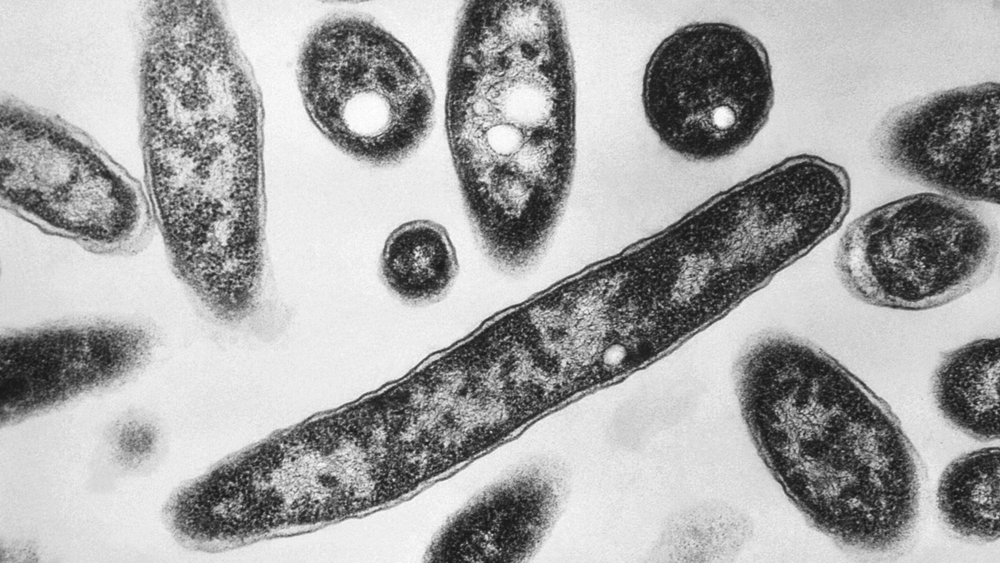
NEW YORK -- City health officials identified 45 additional positive tests for Legionella bacteria on Tuesday and have ordered a total of 76 buildings to clean their cooling towers as they work to contain an ongoing Legionnaires' disease outbreak.
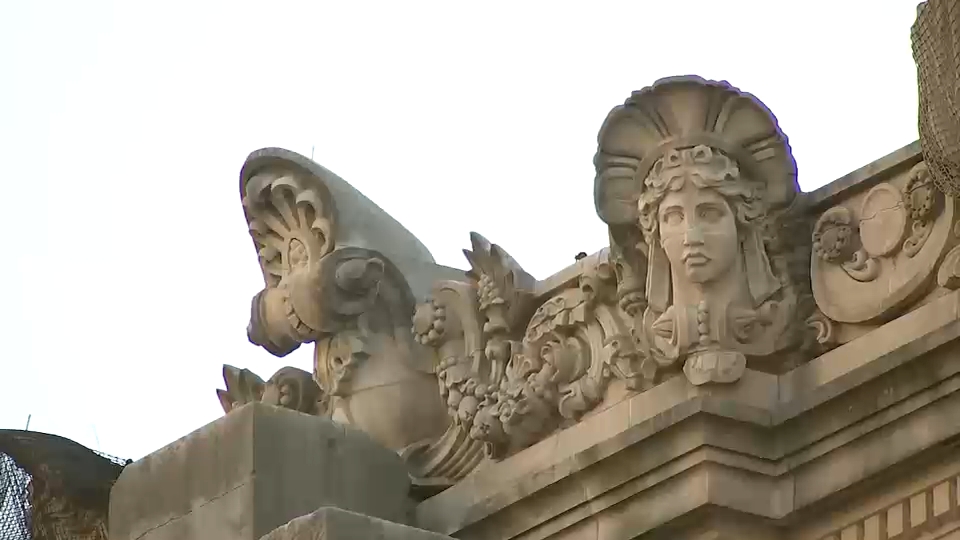
Among the buildings ordered to take action is the Metropolitan Museum of Art on the Upper East Side. A spokesperson for the museum said follow-up testing is underway and there is no risk to staff or visitors.
According to city officials, 57 cooling towers have already been cleaned, while the remaining 19 are expected to be cleaned by Thursday. Several schools, a rehabilitation center and a nursing home are among the buildings on the city's list.
SEE ALSO: Taco Bell voluntarily removes some ingredients at restaurants amid parasitic outbreak
Under city law, building owners must test cooling towers for Legionella bacteria every 31 days. During the outbreak response, the city has been using a more sensitive PCR test to identify potential contamination.
There are no other outstanding cooling tower tests waiting for results. Officials have noted that while cooling towers may test positive for Legionella bacteria, additional testing is needed to determine whether a specific tower is connected to the outbreak.
Latest number of confirmed cases
The outbreak has sickened 63 people as of Tuesday night, up three from the night before. However, hospitalizations decreased from 15 to 12. Cases have been reported across several neighborhoods.
Officials say they are now seeing significantly fewer cases and more than half of all patients who were hospitalized have returned home.
City Council Speaker Julie Menin was encouraged by the development, but fired another shot at Mayor Zohran Mamdani and the health department.


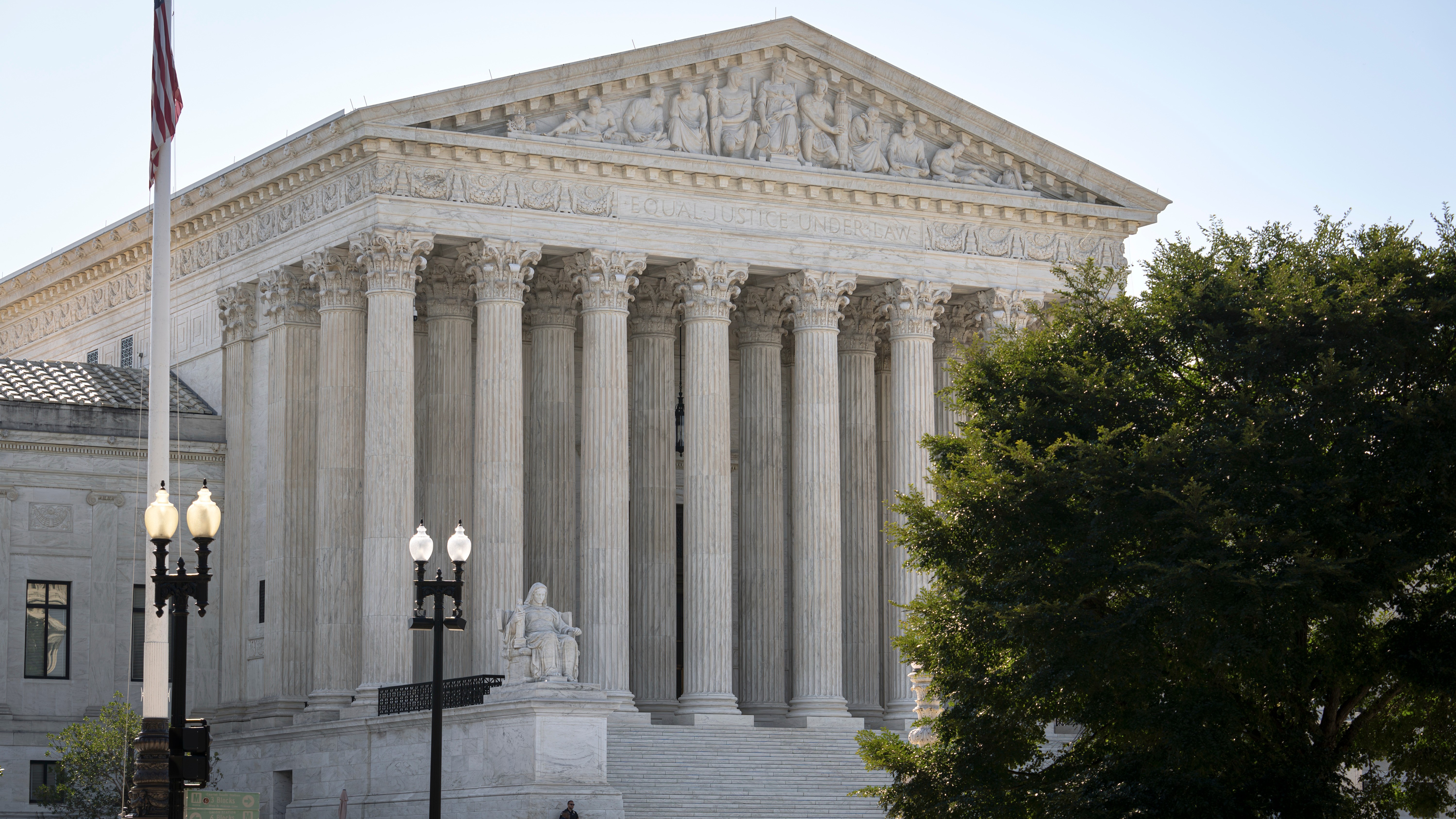
"From day one I've said the health department should be proactively ordering the disinfecting of all towers rather than waiting for test results to come back where more and more people end up contracting Legionnaires'," Menin said.
Dr. Tyler Evans, CEO of Wellness Equity Alliance, is a former New York City chief medical officer during the COVID-19 pandemic. He says proactively disinfecting all cooling towers just isn't realistic.
"Particularly under this current administration where public health is really under attack from a federal level, where a number of cities, counties and states are losing funding, losing support, losing legitimacy, it is increasingly more difficult for us to do our jobs," Evans said.
Councilmember Lynn Schulman says a lack of resources is also the reason why the health department hasn't been enforcing a new law that mandates buildings to proactively test cooling towers every 31 days during the summer months, despite a significant number of non-compliant buildings.
She says the department of health is focused instead on the current outbreak.
"When we passed the bill the previous administration thought it was a good idea," Schulman said. "This DOHMH thinks it's a great bill and we just need to make sure it gets enforced."
Evans pointed out how unique this outbreak is because almost every other legionella outbreak in the past 40 years has been in underserved Black and brown communities in Harlem and the Bronx.
The hope is since buildings on the Upper East Side have more resources, they will be able to sanitize towers more quickly.
Health officials are urging anyone experiencing pneumonia-like symptoms to seek medical attention.