2026 MLB draft recap: Best picks, potential steals, analysis

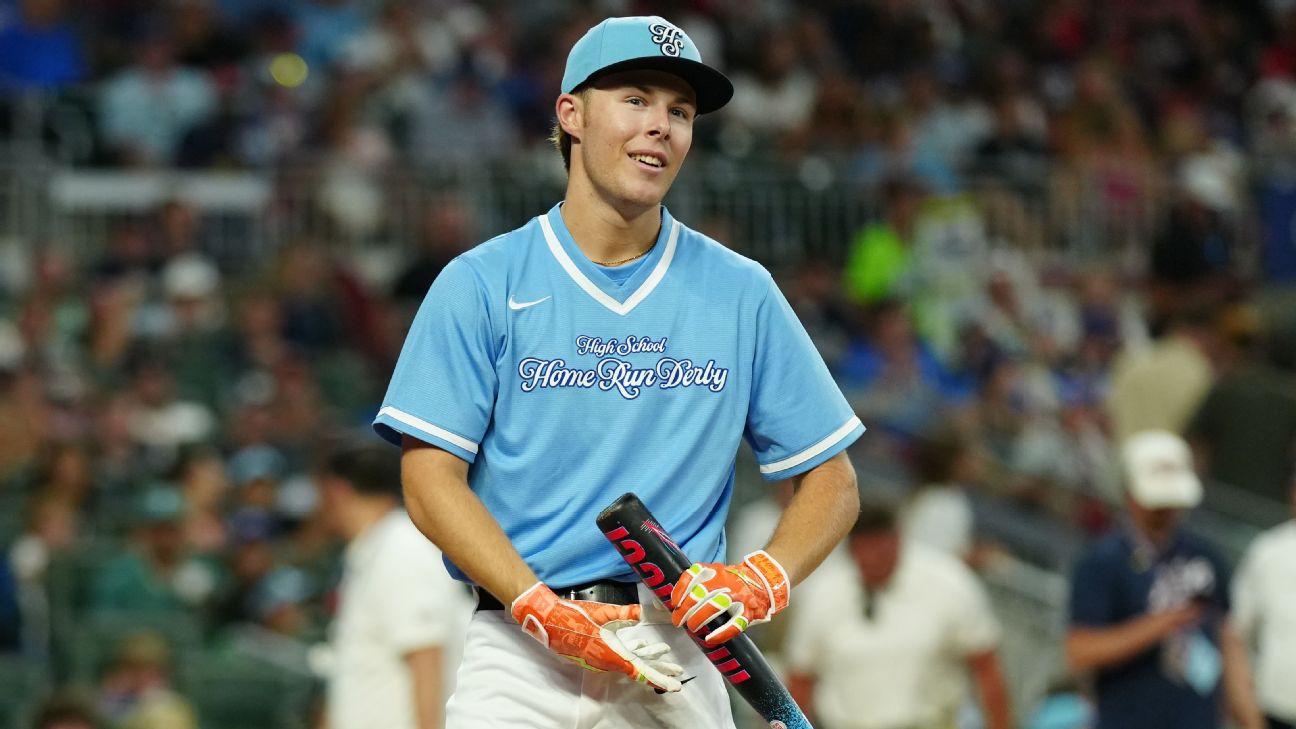
The 2026 MLB draft is now complete, so it's time for a deeper look at how all 30 teams fared over all 20 rounds.
The first four picks went according to form, starting with the Chicago White Sox taking top-rated prospect Roch Cholowsky with the No. 1 overall pick. But after that, it was a draft filled with unexpected turns. There were many selections -- and strategic decisions -- that caught my eye from Saturday's first round through the final rounds Sunday.
Here's my overview of every 2026 draft haul, breaking down each team's best value pick, the player who could make it to the majors first and a sleeper to watch. I'll also give you my prevailing thought on every club's full class.
Jump to team:
American League
ATH|BAL | BOS | CHW | CLE
DET | HOU | KC | LAA | MIN
NYY|SEA | TB | TEX | TOR
National League
ARI | ATL | CHC | CIN | COL
LAD | MIA | MIL | NYM | PHI
PIT | SD | SF | STL | WSH

Arizona Diamondbacks
Best value: 1B Cody Boshell (11th round) is a third-round talent who could get $1 million. He's an old-for-the-class high school first baseman, but he has huge bat speed and raw pop along with a solid feel to hit.
Quickest to the big leagues: C Ryder Helfrick (first round) had a dip in his bat-to-ball in the second half of the season, but his raw and in-game power along with his framing, receiving and arm strength are all above average. He might be in the upper minors next season.
Sleeper to watch: RHP Blake Bryant (comp round) is a prototypical projectable prep right-hander who flashes above-average stuff and starter traits. He came out late this spring due to basketball and hit the upper 90s in some starts; the pieces could come together soon.
One big thought: Helfrick and Bryant are solid headliners and there's a nice group of collegiate prospects from which you're hoping to find a few breakouts. The two best candidates are SS Carson Kerce (second round) as an infield fit with solid-average tools and big performance this spring and CF Brayden Dowd (third round), a 5-foot-10 hit-over-power outfielder who could hit 12-15 homers.

Athletics
Best value: LHP Mason Edwards (second round) had mid-to-late first-round buzz coming into draft day with some variance from team to team, so the A's got a steal in the second round. He's a 6-foot-2 lefty with three above-average pitches (four-seam fastball, curveball, changeup) and he led the nation in strikeouts with 169 in 95.2 innings for USC. His fastball command and walk rate are the hesitations here and need to get a notch better for Edwards to remain a starter, but the components seem present.
Quickest to the big leagues: CF Drew Burress (first round) was a personal favorite of mine going back to his high school days then was even more productive than I could've imagined at Georgia Tech, hitting 60 homers in three years as a 5-foot-8, right-handed hitter.
Scouts differ on their outlook given his big swing and open stride and got ammunition for questioning him with a slow start this spring, but he was red-hot down the stretch and was in the consensus top seven prospects in this draft class.
Sleeper to watch: RHP Jacob Dudan (third round) was trending into the top 50 picks before blowing out his UCL, with an above-average to plus fastball/slider combo and starter command upside. He started only one game in 2025 before making eight starts this spring, and he'll need to sharpen his fastball command after he comes back. He'll return to the mound in late 2027 then should be fully back to his old self and ready for a taste of the upper minors in 2028.
One big thought: The A's didn't take a high schooler until the 14th round, but there is some upside and plenty of talent in this class. Dudan looked like a comp/second-rounder before blowing out, Burress could be a big league regular soon, RHP Gabe Gaeckle (second round) has plenty of stuff to be a good big leaguer in some role, and it wouldn't surprise me if SS Roman Martin (fourth round) and RF Alex Hernandez (fifth round) were long-term big leaguers.

Atlanta Braves
Best value: RHP Jensen Hirschkorn (third round) started the spring as a late first-rounder, but his velocity wasn't as high as scouts were hoping for, so he moved into the tough-sign category as his bonus price didn't change much even though evaluations moved into the comp-to-early-second area for teams that want a little more now stuff.
Hirschkorn might be the best projection gamble in the draft, though, with a 6-foot-7 frame, clean delivery and outstanding command along with strong summer performance. If he can get his velo back to the 93-96 mph he showed in shorter outings last summer, there's a lot of upside here. I'd expect the Braves to tweak his breaking ball shapes, similar to how Cam Caminiti has had to tweak his a bit.
Quickest to the big leagues: CF AJ Gracia (first round) started the year in the middle of the first round but moved into the back third by draft time for many teams due to battling a shoulder injury all spring that sapped his power. He's an outfield tweener than can really hit, has a solid approach, and has pull/lift present in his swing already. If the Braves can get him healthy and land on the happy side of the power/position questions, this could be a steal; rumor is it will be a well below slot deal.
Sleeper to watch: RHP Kaiden McCarthy (second round) was trending up late in the spring after missing a few starts later in the spring due to arm soreness. In a college summer league and draft combine outings, he sat 95-99 mph as a 17-year-old with an average-or-so cutter and slurve, but his best off-speed pitch is a plus-flashing changeup.
One big thought: The structure of this class reminds me of the Cubs' draft last year, cutting up top to set up high school overpays, but this might end up being even more extreme. Because they had both an extra pick and a top-10 pick, the Braves had a huge pool to work with and moved the money around a lot: CF Carter Beck (first round), McCarthy and Hirschkorn all belonged between Nos. 35-50 on talent for a lot of teams. There's a solid track record on overslot high school players, and they took a lot of shots in that area again.

Baltimore Orioles
Best value: CF Eric Booth Jr. (first round) was the consensus No. 5 prospect in the draft for a lot of evaluators but slipped to the No. 7 pick, so I'm calling that a strong value. The Orioles have taken a number of position players with huge tools but questions about their swing or approach and turned them into good big leaguers, so this is one of the better spots for Booth to take his next steps.
Quickest to the big leagues: CF Ty Head (second round) isn't the type of prospect fans get excited about since he's a college outfielder with below-average power, but scouts around the league love the player.
He's a plus hitter and runner who is a solid center-field defender and he'll show 12-15 homer power at times, though that diminished a bit down the stretch, often a sign of fatigue or injury. He's not that different from the No. 20 overall pick SS Jake Schaffner, but went 26 picks later; a pro comp might be another arrow-up player from last year's draft: Marlins CF Cam Cannarella.
Sleeper to watch: CF Kevin Roberts Jr. (fourth round) was a mid-first-round prospect entering the spring, but some uneven performances in big games and some teams wanting to tweak his swing in pro ball dulled interest in him into the prep overpay bucket by draft time.
He is young for the class, performed well over the summer and has easily plus raw power, if not plus-plus, so the Orioles got a steal by jumping in at the right time. It might not be relevant in pro ball, but Roberts Jr. has also enticed scouts on the mound in the past, though he didn't pitch this spring.
One big thought: The Orioles mostly stuck with what has worked for them, taking three high-upside prep position players in Booth, Roberts and SS Will Plunkett (eighth round) who will get an overslot deal. Head and RHP Dominic Voegele (third round) are more typical higher-floor college picks but could move quickly, but have enough upside to be strong every day with the right tweak.

Boston Red Sox
Best value: CF Martin Shelar (ninth round) is a personal favorite both because he plays about 10 minutes from my house and also because of his unique swing and borderline unbelievable exit velocities; the Red Sox were one of two teams at each of Shelar's games I went to this spring.
His stock shot up down the stretch as he made subtle timing/setup adjustments to his swing and then went off in batting practice at the draft combine, hitting a number of balls over 110 mph with a wood bat, with a max of 115.5 mph after hitting 19 home runs this spring.
Quickest to the big leagues: SS Jake Schaffner (first round) had a lot of late buzz as a late first/comp target for teams that wanted to save money to then spend on high school players later, which is exactly what Boston did.
Schaffner isn't a huge exit velo/raw power guy, but was much better at creating more raw pop and getting to his power in the second half, even if it didn't show up in home run numbers. I could see Schaffner being an above-average hitter for average/on-base percentage with 12-15 homers while playing either shortstop or second base.
Sleeper to watch: SS Jace Mataczynski (third round) is a 6-foot-4 shortstop with an above-average power/speed combo who emerged later in the draft process from a Wisconsin high school. He hasn't had a ton of reps against elite pitching, so there's some risk and it might be a slow burn -- but there's plenty of upside.
One big thought: The BoSox went with the two best hitters in the Tar Heels' lineup and saved some money, then spent that on three overslot high schoolers in Mataczynski, Shelar and RHP Kaleb LaFavor (10th round).

Chicago Cubs
Best value: RHP Isaac Morton (sixth round) had an elbow injury that required surgery in May, but he had already made 13 starts, so his second-third round look at the time was adjusted down a bit for the medical issue.
He throws a fastball/cutter/sweeper combo mostly from a low slot with above average velocity/movement for all three shapes while the changeup and control are good enough to think there could be a starter in there.
Quickest to the big leagues: RHP Cade Townsend (first round) has a very clean and pretty pitch movement plot with six pitches spaced out well and all of them with above-average velocity. He performed well as a starter in the SEC and the main concerns are his higher release (which makes his fastball shape just OK, and creates a reliance on breaking pitches), the durability questions created by his size (6-foot-1) and his fastball command needing to get one notch better. Those are pretty typical prospect questions and that adds up to a solid first-rounder when the upside is a No. 2/No. 3 starter.
Sleeper to watch: 1B Myles Bailey (second round) is a pretty easy prospect to understand, even though he missed much of this season because of shoulder surgery: plus-plus raw power, lots of homers, and an uphill swing that helps create a ton of swing and miss. He's a solid first-base defender and has plus pitch selection, so this could work, but it'll come with lots of deep counts and true three outcomes.
One big thought: This was a college-heavy class with some appetite for risk: There are real swing-and-miss concerns on Bailey and CF Caden Sorrell (second round), but also big upside if those can be improved.
Townsend has some similarities to Jameson Taillon and Cade Horton on Chicago's big league roster (heavy usage of multiple breaking pitches, higher-than-average release leading to good-not-great fastball shape and a cutty-horizontal shape) and RHP Carson Jasa (third round) is also of this type while later college arms in Morton and LHP Cole Tryba (seventh round) have low arm slots and horizontal movement shapes.

Chicago White Sox
Best value: 3B/C Cole Prosek (second round) is a prep position player who is older for the class, but is quite polished and performed well in the summer. He might be a 55 hit/55 power combo from the left side with a solid fit at third base and a shot to turn his raw catching skills into something more.
Quickest to the big leagues: SS Roch Cholowsky (first round) is the easy answer here, as a big part of his scouting report is that, whatever he's going to be, he should get there pretty quickly. I wouldn't be surprised if he was ready for the big leagues as soon as next summer and contributing in all phases right off the bat.
Sleeper to watch: RHP Joey Volchko (third round) looked like a late first-rounder in his first few starts this spring, as Georgia unlocked some new pitch shapes with an arm slot change (roughly 12 degrees lower) from his days at Stanford. The issue is his command is still a notch away from being a starter and, while nasty, he threw only 6% of his pitches with arm-side movement (i.e. fastballs or changeups), relying on four breaking-ball shapes with 94% of his pitches.
Solving both things is a tall task for the pitching development group, but the upside could be huge if they can make Volchko perform more often the way he did in Omaha. Though Volchko isn't the same as Grant Taylor, the overall idea (huge stuff, let's see what role it will come in) is similar.
One big thought: I like the mix here, which is easier to accomplish with a giant draft pool and the options that provides. Cholowsky gives the class a very high floor, and SS Landon Thome (comp round; son of Jim), Prosek, Volchko, CF Alex Weingartner (sixth round), and RHP Kyle Casteel (11th round) give plenty of upside around more predictable college drafts; Volchko and Weingartner have the highest upside of this group if things click because of their massive raw tools.

Cincinnati Reds
Best value: SS Eric Becker (second round) was a target for some teams in the back half of the first round after starting the year in the middle of the first round, as playing through wrist and leg issues hit him hard in the second half of the season.
Most scouts think he'll slide over to third base long term but could be a 50-grade (or 55-grade) at both hit/power combination offensively as a lefty hitter who could have some upside that was obscured by the injuries, so he could be a quicker-moving solid-average everyday player.
Quickest to the big leagues: There are lots of good options here. You could make a case for SS Justin Lebron (first round), Becker, 1B Mulivai Levu (second round), RHP Ty Horn (third round) or LHP Ethan Norby (fourth round).
Lebron (contact), Becker (health), and Horn (role) could all move quickly if the right thing happens, and Levu and Norby are lower-end polished everyday types who should move quickly but could be very quick movers if things click.
Sleeper to watch: RHP Duncan Marsten (sixth round), Norby, Horn and RHP Conner Griffin (10th round) all offer the pitching development group different tasks and any of them could pop if it works. Marsten has four above-average pitches but his command is one notch from being a long-term starter.
Norby is a 5-foot-9 lefty with solid-average stuff and feel from a lower slot with horizontally oriented stuff. Horn has starter traits and above-average stuff, but his velo/stuff jumped late in the year in shorter stints. Griffin is a prototypical college development arm with above-average stuff and interesting shapes from a 6-foot-5 frame but his command lags well behind.
One big thought: While only taking one high school player in the top 14 rounds, the Reds still did what they normally do and leaned into upside at a number of high picks, with Lebron, Horn, Marsten, and Griffin on the college side and the lone high prep pick in SS Dylan Bowen (fifth round).

Cleveland Guardians
Best value: RHP Liam Peterson (first round) was in the mix at a lot of picks before the No. 19 spot where he was eventually selected. His physical ability -- 6-foot-5, up to 101 mph, three-above average off-speed pitches -- is substantial and with another tick of fastball command, he could be a frontline starter.
Quickest to the big leagues: 1B Kade Lewis (fourth round) is the most polished of the high picks from the college side. If everything works out just right, he might be a 55-grade hitter with 55-grade power who can play a decent third base, but otherwise he'll be something like a league-average hitter at first base who can fill the most valuable side of a platoon.
Sleeper to watch: I've always been on the lower side of projections for RHP Savion Sims (seventh round) because I find that projection righties with huge velocity in high school can be a bit overrated as some evaluators can be entranced by the radar gun. That said, Sims will regularly throw 100 mph someday, possibly soon, and is 6-foot-8 with a nice delivery, even if his pitch shapes aren't elite.
One big thought: LHP Logan Schmidt (second round) and Sims give some of the high school pitcher upside the Guardians tend to take every year, and Peterson is another of the "missing an element" college starters they excel with. But Peterson is one of the most talented of that group, which includes Gavin Williams and Tanner Bibee. I would expect a breakout or two from a deep college class, with CF Lucas Moore (fifth round) coming off a down year, but with elite athletic traits and C Deiten Lachance (sixth round) finishing the year on fire for the national champion Oklahoma Sooners.

Colorado Rockies
Best value: C Daniel Jackson (comp round) had a lot of interest in the 20s after winning the Golden Spikes award and an SEC triple crown as a catcher. In addition, Jackson is a standout athlete for a catcher with some work to do defensively but has the tools to stick behind the plate.
The concern here is tied to his 20% strikeout rate, just above 40-grade contact rates and 33% strikeout rate last summer in the Cape Cod League. If he can keep it under 25% in pro ball, he has the upside to be a star but some teams aren't convinced.
Quickest to the big leagues: SS Tyler Bell (first round) started the spring in the middle of the first round, then hurt his shoulder, slipped to the end of the round, then caught fire late in the year in a down year for top-tier talents and broke into the top 10 prospects in the draft.
The median projection here is something like 50/55 hit, 50/55 power and a solid shortstop defender, but the physical tools and injuries suggest there could be even a little more upside in a few years.
Sleeper to watch: RHP Tyler Putnam (fifth round) ran his heater up to 99 mph at the draft combine along with a 82-85 mph sweeper that got as high as 19 inches of sweep. The 6-foot-5 righty also has an upper-80s cutter and a changeup that might be an above-average pitch if he keeps progressing.
One big thought: The buzz was that in the first draft for the new Rockies' regime, they would lean on college prospects early and that was true for the first five picks. Putnam was their overslot high school pick, but there's also some upside in RHP Logan Reddeman (second round), C Jack Natili (third round), and RHP Garrett Lambert (sixth round).
Reddemann was a mid-first-rounder in the middle of the spring before arm fatigue that he's now clear of, Natili had some top-50 pick buzz, and Lambert is a sleeper I liked from Mercer who signed with Alabama in the transfer portal before being drafted.

Detroit Tigers
Best value: I'll assume 1B Will Adams (11th round) signs because only a handful of players in the top 11 rounds don't each year and they are normally hard to project ahead of time. He's an LSU commit and was seen as a tough sign who was rumored to want at least $1.5 million.
As a prep first baseman, the profile means the path to big league success is narrow, but if you watch Adams hit, you'll see it: plus pitch selection, at least plus raw power, an all-fields approach with power pole-to-pole, and solid contact.
Quickest to the big leagues: RHP Cameron Flukey (first round) was sliding a bit down the stretch from his preseason perch in the projected top 10 picks due to missing time because of a rib injury and his breaking stuff not progressing as much as some hoped. Flukey has a strong chance to be a big league starter, but he doesn't throw his changeup that often and his breaking pitches, while performing well, grade as 45-grade pitches.
Sleeper to watch: SS Tyson LeBlanc (second round) and RHP/RF Evan Dempsey (second round) are both intriguing. LeBlanc was a model-favorite performer at Kansas with strong bat-to-ball and outstanding pull/lift ability to get to his average raw power in games; scouts weren't as convinced on his upside.
Dempsey was a two-way player for Florida Gulf Coast, starting 15 games on the mound and playing half of his team's games in center or right field. The theory from scouts is that dropping the hitting to focus on pitching could help him make the most of his stuff: a sweeper that averages 3184 rpm, solid shape to a 90-94 mph fastball and sneaky-good changeup that he barely throws. That said, he's also a prospect as a position player, just a notch behind his pitching ability.
One big thought: This class was somewhat different than Detroit's last few, with no early picks spent on high school position players and instead opting for more steady college prospects. SS Dominic Pellegrin (fourth round) was a late riser and Adams was a big name all spring while RHP Dustin Dunwoody (15th round) might be a tough sign and Canadian high schoolers SS Robert Omidi (eighth round) and RHP Will Zielinski (20th round) are both signable for six-figure sums.

Houston Astros
Best value: 3B Beau Peterson (fourth round) had top-50 buzz entering the spring but that tailed off a bit as the predraft chatter was that only a half-dozen teams still had him in that area, which was still well short of a rumored $3 million asking price. We'll see if Houston met that number, but I could see how a team could justify it based on a strong summer, contact skills, easy plus raw power and a potential infield fit.
Quickest to the big leagues: LF Logan Hughes (first round) was a late riser as teams realized he could stick in left field and post at least average on-base percentages with real, in-game 55-grade power despite his 5-foot-11 stature. He seemingly had underslot homes all around the 20s, so I'd expect some savings for Houston at No. 17.
Sleeper to watch: RHP Jack Radel (first round) is a personal favorite who has a lot of projection traits teams are looking for: 7-foot-plus extension, fastball up to 98 mph, three breaking-ball shapes, great strikeout-to-walk rate and among the best command scores in the draft. If he continues progressing, Radel is looking like a midrotation starter.
One big thought: Quick-moving, steady college players -- Hughes, Radel, LHP Wes Mendes (second round) -- helped set a floor and save money to pay SS Keon Johnson (third round) and Peterson. Houston's system could use the quality depth that those first four provide while Peterson is the upside swing, akin to 3B Xavier Neyens as a first-rounder in last year's draft class.

Kansas City Royals
Best value: LHP Justin LeGuernic (sixth round) was a personal favorite going back to high school because he has been young for the class with above-average stuff (mostly sinker/sweeper) from a lower slot and the traits to think he can do it over multiple innings -- if not as a starter. I thought he'd go in the fourth, maybe fifth round, so he's a great value here and I'll be intrigued to see what Kansas City can do with him.
Quickest to the big leagues: LHP Maxx Yehl (third round) is exactly the type of prospect where moving him quickly in shorter stints might be the smartest move. He's already 22 years old after sitting out the 2025 season because of Tommy John surgery. He throws two variations each of his fastball and sweepy power breaker, and he shoved as a starter this year for West Virginia. This smells like a late-inning reliever or backend starter, but I"ll bet he's in the upper minors next year.
Sleeper to watch: RHP Jack Slightom (second round) was a spring popup name for many scouts, but he rose from "I heard he's throwing hard, I need to see him" to "he won't get out of the second round" in about a month. He was into the upper-90s in many outings and can make strong shapes with a lower arm slot. CF Dominic Battista (fourth round) battled a hamate injury this spring but has plus power projection.
One big thought: I like the depth here, evidenced by not mentioning either of the first-round picks yet: CF Zion Rose and RHP Taylor Rabe, who were both rising late in the process. Two stuff-over-command types in LHP Ethan McElvain (fifth round) and RHP Dylan Vigue (seventh round) are good development projections, as is super-utility type with athleticism for more in Camden Johnson (ninth round). RHP Hudson DeVaughan (19th round) had some seven-figure interest but might be a tough sign.

Los Angeles Angels
Best value: RF/LHP Jared Grindlinger (first round) is fascinating as a prospect because of a late reclassification into the draft pool earlier this year, elite bat-to-ball over the summer versus weaker competition (because he hasn't reclassed, he was playing down an age group), above-average power projection, and is up to 97 from the left side from a lower slot on the mound while 16 years old for much of the spring. He could be almost anything, has done nothing but perform, but comes with some risk because of the lack of high level competition.
Quickest to the big leagues: 2B Jarren Advincula (second round) or 1B Gavin Grahovac (third round) are both very accomplished college performers that lasted until these picks due to size/power for Advincula and likely settling at a right-handed hitting first baseman longer term for Grahovac.
Sleepers to watch: CF Rylan Lujo (fourth round), SS Jaxon Willits (fifth round), and C/CF Garrett Wright (eight round) all offer some intriguing skills. Lujo has played some infield, but played center field this spring after transferring from Dayton to Georgia; he can really hit and may hit 15 homers, too. Willits is the older brother of last year's No. 1 pick, Eli, and doesn't have huge tools, but is well-rounded and will stick up the middle. Wright can play almost every position on the field and has a skill set similar to Lujo's, but a bit less impact.
One big thought: The last few drafts the Angels had taken a quick-moving college guy first, then moved to overslot high school pitchers, but this year with a new, more hands-off interim GM in John Mozaliek, they took a high-upside high schooler with their first pick, then didn't take another until the 12th round. I like the varied types of college players they took and am fascinated by how they will develop Grindlinger.

Los Angeles Dodgers
Best value: 3B Bo Lowrance (second round) was heavily scouted for the first round this spring, especially in a big matchup against No. 29 pick LHP Carson Bolemon in which Lowrance went deep after Bolemon exited. Lowrance didn't face good competition this spring other than Bolemon, though, and there were some concerns about his eventual defensive home and performance against lefty pitchers that pushed him down a bit.
He's a sweet swinger who more than one scout (myself included) comparing him to a young Freddie Freeman for his frame and sweet lefty swing. Lowrance's exit velos in the draft combine BP didn't blow away anyone, but I could still see a 55-hit, 55-power projection with room for a bit more if things click, fitting long term at one of the four corner spots.
Quickest to the big leagues: RHP Russell Sandefer (fourth round) has some of the best command metrics in the draft and performed well for the Florida Gators in a few different roles. His raw stuff is around average, but his sweeper and changeup drew nearly 50% miss rates. He seems likely to be a big league inventory arm at least.
Sleepers to watch: RHP Gavin Van Kempen (12th round) has pitch shapes similar to Trey Yesavage and Tatsuya Imai, with his breaking stuff moving to his arm side in a way that seems bad, but is so unexpected, it gets over 50% miss rates in college. RHP Ethan Sutton (16th round) might end up being similar to that, with a tweak to his breaking ball shape.
One big thought: The Dodgers had the smallest pool by a lot and one of the smaller ones of all time, so there wasn't much draft capital available after losing their second, third, fifth, and sixth round picks due to their Kyle Tucker and Edwin Diaz free agent deals. That said, Lowrance is a nice find at No. 40 who had lots of buzz in the 20s all spring, followed by L.A. taking mostly interesting college arms.

Miami Marlins
Best value: SS Jacob Lombard (first round) went from mid-first-round buzz entering the spring because of swing-and-miss concerns from the summer to a potential No. 4 pick in the middle of the spring, then teams seemed to get spooked by the swing-and-miss as draft rooms convened and he ended up in the middle of the first round -- right where he started.
If it clicks. Lombard might hit 30 homers, steal some bases and play shortstop, but the hit risk is deemed too much for some. Given his makeup and family (older brother George Jr. is the Yankees' top prospect, father George Sr. is the Tigers bench coach) I read this one similar to Ethan Holliday from last year's draft: this is a concern, but he has everything going for him figuring this out.
Quickest to the big leagues: LHP Ethan Kleinschmit (second round) or RHP Ryan Peterson (second round) were the next two picks after Lombard and level off the risk profile of the class a bit as both should move quickly.
Kleinschmit is the typical solid-average stuff/command lefty who doesn't blow away anyone but can eat innings. Peterson was eligible last year but became a prospect this spring at age 22 by lowering his slot and getting an extra tick of velo on his fastball, helping his command of three different breaking balls to stand out.
Sleeper to watch: CF Wessley Roberson (fourth round) came out of the gates strong this spring, then was sidelined for a bit by injury, and I saw him later in the spring when his swing had regressed into a multipart situation without much pop. The video from earlier in the spring was excellent: there's above-average (if not more) power and speed, and a good swing from both sides in here if Miami can get him straightened out.
One big thought: I like the college depth I haven't mentioned yet, with SS Camden Kozeal (third round), LHP Trey Beard (fifth round), 3B Eric Guevara (seventh round) and 1B Rintaro Sasaki (eighth round).
All of them have the tools and performance to support a path to being low-end everyday players or No. 4 starters if things click on the development end. Lombard and Roberson give the high-end upside and the rest of this class helps fill out the system with quality depth.

Milwaukee Brewers
Best value: RF Sawyer Strosnider (second round) was talked about as a potential top-10 pick during parts of the spring, but he had a tough second half as his bat path flattened and his power numbers fell off a cliff, in addition to concerns about his ability facing left-handed pitching. He has above-average speed and at least 60-grade raw power from the left side along with some feel for bat-to-ball so he is a premium swing adjustment candidate for the Brew Crew.
Quickest to the big leagues: RHP Aidan Knaak (fifth round) is a 6-foot righty with great miss rates on a knockout changeup and good feel, but his fastball velocity and breaking stuff lag a bit behind. The Brewers have had success with this sort of arm before and I think he could move quickly with some subtle tweaks.
Sleeper to watch: RHP Julian Garcia (fourth round) is a 6-foot-3 projection righty who has been into the upper-90s and runs his curveball spin rates over 3000 rpm at times. There's some work to do in development, but that premium set of traits and competitiveness could flourish in Milwaukee.
One big thought: I haven't mentioned SS Trey Ebel (first round) yet and though he's still 17 years old and coming out of high school, his risk profile is more like a college player because of his hit-first skill set, strong summer performance and family background: older brother Brady was the Brewers' first-round pick last year and father Dino is on the Dodgers' coaching staff.
The Brewers have become notorious in the industry for finding signable high schoolers other teams didn't know about and they took nine high schoolers from rounds seven through 19, more than most teams took in the whole draft. I will be watching closely which ones sign because all of them are under the radar to various degrees.

Minnesota Twins
Best value: RHP Ethan Wachsmann (third round) was a favorite of a number of teams as a prep righty to be overpaid in later rounds due to his electric arm that hit 100 mph this spring. He's 6-foot-4 with a clean arm, a high-spin slurve that might turn into two breakers, and a changeup shape that could be above average.
Quickest to the big leagues: C Vahn Lackey (first round) was considered the best player in the draft by some and almost by me, as well. He should be in the upper minors early next season and has All-Star potential.
Sleeper to watch: C Carson Tinney (second round) scared some teams with his swing and miss, but I'm a little less scared, as some of those deep counts came from a passive approach that can be easily improved. The upside is sticking behind the plate long term with some work and possibly 30 homers.
One big thought: The players I haven't mentioned are heavily college pitchers. RHP Brett Renfrow (second round) is clearly the best of the group, and RHP Tommy LaPour (fourth round) is an interesting developmental prospect as his pitch shapes changed this spring as he sat out because of injury. RHP Steel Murdock (fifth round) has average stuff but big miss rates, and RHP Thomas Burns (eighth round) is probably a relief-only type but has crispy raw stuff.

New York Mets
Best value: CF Aiden Robbins (third round) had late-first-round buzz early in conference play, but slid a bit late into the third or fourth round for a lot of teams. He's an outfield tweener with above-average in-game power and if you think he's a 45-grade hitter, that's an every-day player.
Quickest to the big leagues: RHP Alex Petrovic (sixth round) or LHP Shane Sdao (fourth round) both fit this category. Petrovic has a plus changeup and above-average command but at age 22, his fastball is fringy and his breaking stuff is below average; if he can find a solution there, he'll be big league inventory soon. Sdao had a Tommy John surgery in college and is also 22 years old, but has solid-average stuff and starter feel, but was hit around more than expected this spring.
Sleeper to watch: RHP Luke McNeillie (fifth round) was my top pick for college reliever who should move to a starter in pro ball; I thought he'd go a round or two higher than he did. He has three above-average pitches and the traits for starter command despite just three starts this spring; adding more extension could help his shapes even more.
One big thought: The Mets were risk-seeking in their first two picks, with RHP Carson Wiggins (first round) not throwing a competitive pitch this season and Robbins sliding late due to his contact rates in the SEC. Then, the Mets pivoted (as most every team does at some point in the draft) to steadier collegiates with Sdao, McNeillie, Petrovic and C Ryan Tayman (ninth round).

New York Yankees
Best value: LHP Sean Duncan (second round) could be a steal, as a 6-foot-3 lefty with a plus changeup and mid-90s velo at times and who has tons of projection with pro weight training. I assume he'll return to the mound late in 2027 from elbow surgery.
Quickest to the big leagues: LHP Hunter Dietz (first round) had some mid-first-round buzz but there was always going to be a lower floor for his draft position since he missed almost his entire first two seasons on campus due to injury. Some teams told me they think they can help him with a changeup shape; his fastball/slider are both plus; they'd work in any role from an unusual high slot.
Sleeper to watch: RF Paul Contreras (fourth round) has above-average raw power and some physical projection remaining along with at least average bat-to-ball skills. Keep an eye for him possibly taking a big step forward in the next year or two.
One big thought: The last time the Yankees took a pitcher rehabbing from elbow surgery at a high pick, a second-round-caliber bonus turned into a big league starter in Clarke Schmidt. Duncan had late-first-round buzz before he blew out in the spring, with a fastball into the mid-90s, average breaking ball and plus changeup. It sounds like there was some competition for him, so I'd expect his bonus to be overslot.
C Brendan Brock (third round) is a great athlete for a catcher and may play all over the field where his plus power will profile, C Bear Harrison (fifth round) was a model favorite, and I heard late about 3B Andrew Gonzales (sixth round) being a target for a few teams as a signable high schooler.

Philadelphia Phillies
Best value: CF Will Gasparino (fifth round) has big tools: a solid-average runner who looks like he can stick in center field at 6-foot-6 with plus raw power the biggest part of his offensive profile. With 20 homers this spring for UCLA and an OPS over 1.000, there is concern his contact rates will regress at higher levels against better pitching. He is the son of Dodgers VP of baseball operations Billy Gasparino.
Quickest to the big leagues: RHP Ruger Riojas (third round) turned 23 years old Sunday and has the polished game you'd expect after four years of college performance. His fastball and changeup are both above average to plus, while his cutter and slurve are both around average and his command should be good enough to stick as a starter.
Sleeper to watch: RHP Deven Sheerin (fourth round) and RHP Bo Rhudy (seventh round) both fit this well. Sheerin is a big 6-foot-5 righty who ran his heater up to 100 mph this spring in relief for LSU with three different above-average breaking pitches, but his command likely limits him to shorter stints. Rhudy has outlier spin on his fastball, averaging almost 2,700 rpm, with solid sweeper and changeup shapes along with better-than-you'd-expect feel, but he pitched only in relief this season.
One big thought: I didn't mention their first two picks yet: SS Tyler Spangler (first round) and CF Caden Bogenpohl (second round). Those two are typical Phillies picks with some risk -- does Spangler get to his power in games and what did we miss from not seeing him play this spring? Will Bogenpohl's swing get optimized to get to his power in games? -- but also plenty of ROI if the development objectives are hit.

Pittsburgh Pirates
Best value: SS Aiden Ruiz (second round) was getting interest in the back half of the first round and compensation round, so he's a nice value in the second for the Buccos. He's a standout defender and has elite bat-to-ball along with improving raw power that projects around average now. The reason he stayed on the board so long is he's 19 years old and has limited physical projection remaining.
Quickest to the big leagues: CF Derek Curiel (first round) went a bit higher than expected, but probably only by a few picks. There isn't a ton of power upside here (it's roughly average) and he's a center/left-field tweener for some, a good center fielder for others. That said, he's one of the best pure hitters in the country and has been evaluated like that for years against top competition.
Sleeper to watch: LHP Ryan Marohn (fifth round) and CF Andruw Giles (fourth round) both fit here, for different reasons. Marohn missed time with forearm soreness but his solid-average fastball, above-average changeup and good enough feel add up to a potential starter. Giles is an outfield tweener with above-average power potential, a plus arm, and a pretty swing.
One big thought: The Pirates likely got some savings from the Curiel pick and spread it mostly to Giles, 3B Tre Phelps (ninth round), and LHP Spencer Evans (11th round) with a chance that CF Malachi Washington (18th round) could be signable. 2B Chris Rembert (second round) and RHP Jason DeCaro (third round) headline the solid college crop they added to the system.

San Diego Padres
Best value: SS Elliot Lascelles (second round) had late momentum as the left-handed hitter performed well against high-level pitching and can stick at shortstop long-term. There isn't a ton of power upside, but Lascelles may be above average at everything else.
Quickest to the big leagues: RHP Ryan Lynch (third round) had second-round buzz much of the spring because of his en vogue low launch to his fastball due to his low arm slot. His sweeper has big spin rates (2,836 rpm on average), but he rarely throws a third pitch and his fastball command needs some work.
Sleeper to watch: C Robbie Lavey (fourth round) was rising throughout the spring because of his plus raw power from the left side and plus arm behind the plate. He'll need some refinement behind the plate but can likely stick and his power-focused approach may lead to below average contact rates.
One big thought: RHP Coleman Borthwick (first round) was considered one of the toughest signs among the players in the mix for the top 50 picks because of a strong commitment to Auburn to play both ways. His market was believed to be in the 30s where his demands would likely have been above slot, but I think the Padres can get this done.
Borthwick is a throwback of a player, stepping up in big moments. He ran his heater up to 100 mph this spring while cruising in the low-90s with others, with great control despite a husky build and shorter arm action.

San Francisco Giants
Best value: CF Peyton Bonds (third round), yes, is related to the Bonds family, more on the specifics here -- he's Barry's nephew if that's all you wanted to know. And no, this wasn't a nepotism or feel-good pick -- it was actually a nice value for a player with some second-round buzz late in the process. He has real bat-to-ball and plus raw power and may stick in center field at 6-foot-5. Bonds will just need some refinement.
Quickest to the big leagues: RHP Jackson Flora (first round) has among the best combinations of frame, delivery, arm action and mechanics among top pitching prospects in recent memory. His above-average-to-plus stuff could take off with a bit more fastball command and possibly some slight tweaks in his shapes, although the uniqueness could work in his favor.
Sleeper to watch: RHP Kaden Waechter (second round) was a favorite projection arm of mine over the past year. He's a solid prospect as a position player and at 6-foot-3, he moves well on the mound with a power fastball/slider mix with two variations of each pitch. Focusing just on pitching and natural projection should bring his velocity up and slight tweaks could make him a midrotation starter.
One big thought: I was a little lower on LHP Carson Bolemon (first round) than some teams, but at his best, I totally get it: mid-90s heater, two plus breaking pitches and command to start. I really like Flora, Waechter and Bonds for where they went

Seattle Mariners
Best value: 3B Henry Ford (sixth round) has had top-two-rounds buzz at various points through his college career, so he's a nice get in the sixth. He more likely fits at the other corner outfield spots than third, but he has above-average power and roughly average contact skills, so he seems to have a good shot to be the wrong side of a platoon or become a low-end every-day option.
Quickest to the big leagues: 3B Ace Reese (first round) has an easy comp drafted last year in Andrew Fischer, who is terrorizing the high minors with 29 homers this year. Scouts argued that Reese has the same bat-to-ball ability and defensive ability along with more raw power than Fischer did at draft time. I wouldn't expect minor league player of the year performance from anyone, but I think Reese will rake.
Sleeper to watch: 2B Ryan Wynn (seventh round) and RHP Nathan Taylor (third round) both fit here. Wynn showed solid-average power, contact and speed tools this spring in a somewhat limited sample, so this is a nice value relative to what he'd cost with more hype and reps this season.
Taylor is 6-foot-5, 230 pounds and is up to 97 mph with 7.1 foot extension and a cut-ride shape to his fastball, lots of hits on the profile teams are looking for. The plan with this type of prospect is to mold him into a pitcher with three breaking-ball shapes as they also velocity train more zip to the fastball.
One big thought: I also liked RF Jake Brown (second round) among a number of collegiate position players, making up eight of the Mariners' first 10 picks. Brown tested well athletically and was seen as more of a pitcher coming out of high school, so there may be some untapped upside from a solid spring.

St. Louis Cardinals
Best value: SS Rocco Maniscalco (second round) looked more like a late-first-round pick late in the process but a number of teams were in the same spot I was personally in, with a bad taste in my mouth when Maniscalco struggled in a high-profile game early in the spring against an 89-91 mph pitcher. Teams that stayed on him thought there was a 50-hit tool in there and he has been a standout runner and defender for the past year, then showed borderline shocking raw power at the draft combine and in private workouts.
There's real hit risk here, but he's also 17 years old. So many teams referenced that specific game as why they weren't on him that I think Maniscalco's market got depressed by 10-15 picks; no single game should do that.
Quickest to the big leagues: RHP Cal Randall (fifth round) might only have one pitch but it's a really good one, that might be good enough to get big league hitters out almost on its own. Randall sat 95-98 and hit 101 mph with good lift (18 IVB) from a low three-quarters slot and huge extension. It might be as perfect of a fastball shape as exists in the history of the sport.
Now, Randall has a violent delivery with below-average command and maybe only his slider could be at least an average big league pitch as currently constituted, but any kind of development here will equal a big league reliever.
A rival scout told me "if they get him in the zone consistently, he's in the bigs tomorrow." I'm kind of shocked the league left Randall on the board this long when half the teams will want to add a reliever for the next couple of deadlines in a row.
Sleeper to watch: RF Andrew Williamson (second round) went to my alma mater (UCF) but he also had a case to go higher than 68th, as I ranked him 50th. The first thing every scout notices is Williamson's exaggerated bat wrap.
Early in the spring, I assumed that would cost him a round or more from his comp/second-round tool set, but swing specialists assured me that Williamson is on time at the points in the swing that matters and that means he'll likely naturally reduce the wrap as he faces better velocity. There's 25-homer upside from the left side, solid-average speed, and fringy-to-average bat-to-ball ability.
One big thought: If it wasn't clear yet, this is probably my favorite draft class out of all 30, even acknowledging that it's easy to look good with extra picks. I've written a number of times about how much I like CF Trevor Condon (first round). He's just the kind of player I want to bet on, even if he won't light up a workout.
Let's run through the other guys I liked for where they were drafted. RHP Tegan Kuhns (comp round) needs a tweak to his breaking ball but could be a midrotation starter in short order. RHP Dawson Montesa (second round) has solid-average stuff headlined by a heater up to 98 mph and will be a starter if he can improve his fastball command one notch. RF Caden Ferraro didn't play in the field a ton this spring, but wowed teams with his athletic testing in predraft workouts after raking all season. SS Dee Kennedy (fourth round) has tons of secondary skills (patience, pull/lift to get to power, speed) and fits up the middle, so I can live with some swing-and-miss. RHP Jacob Haley (11th round) showed above-average stuff in limited innings this spring.

Tampa Bay Rays
Best value: SS Grady Emerson (first round) fits because it's always good value getting arguably the top player in the draft outside of the first pick. I wrote about this in a few places but the range of opinion on Emerson was 55-hit, 50-power third baseman to 65-hit, 60-power shortstop. Odds are he lands between those two extremes, but both are good big leaguers, with a chance for a face of a franchise.
Quickest to the big leagues: RHP Ben Blair (second round) has a unique set of traits, at 6-foot-3 with a 4% walk rate, a fastball up to 98 mph, a low-three-quarter arm slot and a cutter that rises more than his fastball. Unique traits are what smart teams are looking for, because pitches that don't do what you expect -- like the backup slider from Trey Yesavage and Tatsuya Imai -- tend to perform well due to the expectations the hitter has for how that pitch should move. A different set of factors before releasing the ball basically equals one kind of deception and Blair has it.
Sleeper to watch: 3B Taj Marchand (comp round) got a wide range of reviews from scouts because he does a couple things that are very attractive -- he hit a ball 112 mph with a wood bat at the draft combine at 17 years old and has above-average bat-to-ball ability -- while also not being a long-term shortstop, not running that well, and having, frankly, weird hitting mechanics. He was a third-rounder for some teams and a late-first-rounder for others, so I'll be watching his development closely.
One big thought: The Rays took a lot of high school players, even for them, and mixed in a couple of college pitchers. RHP A.J. Rice (seventh round) and RHP Griffin Long (eighth round) are both local to me so I saw them plenty -- Rice can really pitch and locate his above-average slider, while Long has more upside with his high spin rates -- and RHP Logan Georges (11th round) was easy to see at a number of events last summer, though RHP Gavin Giese (third round) was a spring riser who may end up with the highest bonus of the group.

Texas Rangers
Best value: LHP Brody Bumila (third round) is one of the more famous names in this draft but his stock was put into question by his recent elbow injury. Predraft buzz was that he'd still get an overslot bonus in the second or third round (rather than going around No. 20 overall as projected before the news) which appears to be exactly what happened.
Quickest to the big leagues: SS Kolby Branch (eighth round) doesn't get a ton of prospect hype as a 23-year-old senior, but he posted an OPS over 1.000 and hit 20 homers while in the SEC and playing shortstop for a team that went to Omaha. He'll almost certainly reach the upper minors and the question is how much past that he can go.
Sleeper to watch: 3B Connor Comeau (second round) is a 6-foot-4 left-handed-hitting 17-year-old infielder who likely slides over to third base from shortstop. Scouts don't question his bat but he needs to fill out his frame and learn to better pull/lift pitches to tap into his power as he matures.
One big thought: I didn't even mention LHP Gio Rojas (first round), who kicked off three high schoolers at the top of the draft for the Rangers after I asked if they'd lean into prep picks early like they did last year for the first time in a while.
Rojas flashes three above-average to plus pitches delivered from a lower slot, including a heater into the upper-90s at times, but his lower slot and open-toe land lead to questions about his long-term command.

Toronto Blue Jays
Best value: C Will Brick (fourth round) was a late-first-to-comp-round talent who I'm guessing will get paid as such. He has plus to plus-plus raw power and a plus arm and split his time this spring between catching and playing shortstop; pro teams prefer his upside behind the plate. He performed well over the summer, but there are questions about his pure hitting ability. The rest of the package could still carry him to being an every-day player.
Quickest to the big leagues: LHP Cole Carlon (second round) had mid-first-round evaluations until he missed some time with arm soreness later in the season. This created some uncertainty about how teams would look at his long-term health, in addition to also having some relief risk inherent to how he pitches. The good news is his fastball/slider combo is probably the best in the draft, both plus pitches, and his rarely used changeup has above-average action to it. There's front-line or late-inning potential here, with some risk.
Sleeper to watch: LHP Santiago Garcia (12th round) from LSU was someone I flagged early in the spring because his pitch grades were excellent: above to plus on four distinct pitch shapes. His command is well below average, leading to a 16% walk rate this spring in relief. This is exactly the kind of pitcher who has the upside to justify a role in the minors with a high walk rate as he works things out but is hard to run out there in tense weekend moments for an SEC school.
One big thought: With diminished draft capital, the Jays landed two first/comp-level talents with no picks in those rounds, then added some interesting sleeper types, including Garcia and UT Brayden Martin (11th round) -- a 20-year-old junior from Maryland with plus speed and bat-to-ball ability.

Washington Nationals
Best value: SS Luke Williams (third round) is the first of three players I'll spotlight here who had split camps in the industry. Every team had him as a standout athletic tester and plus-plus runner with a plus arm and plus bat speed who will play somewhere up the middle.
The negative reports would say Williams is too raw at shortstop to stick there, didn't face the best pitchers over the summer due to injury, and contributes to why some scouts don't think he'll hit enough to tap into his tools. The rosier projections have him reach most or all of this star-level upside.
Quickest to the big leagues: 2B Chris Hacopian (first round) draws split opinions in the scouting community. In the positive evaluations, he's a plus hitter with above-average raw power who will play second or third base and performed well this spring.
On the negative side, some scouts don't like the combination of a right-handed-hitting second baseman who is almost 22 years old with below-average speed and didn't look great physically or athletically in the second half when he faced the best pitching in the country. Hacopian was battling a number of smaller injuries at that point, so the long-term truth is likely a bit closer to the happy side of this coin.
Scouts can also be a little mean when they see a player not playing well, including me; see: Rocco Maniscalco in the Cardinals section above.
Sleeper to watch: CF Chase Brunson (second round) had a slow start to the year but caught fire in conference play and even his underlying numbers were better than hit surface stats. With this in mind, rosier projections have him as a 55-grade hitter who gets to all of his 55- or 60-grade power while playing a fringe-to-average center field with an above-average arm; that would be an above-average every-day player if it came true.
One big thought: I don't think it says anything about the Nationals' draft that the three players I chose to write about all had polarizing opinions about them in the industry. It helped them get good value on these three players since it clearly affected their draft status. It doesn't seem like a factor for the other notable draftee: prep RHP Cooper Harris (fourth round), a competitive 6-foot-3 righty with standout feel and solid-average stuff who could improve with development.
]
Related Topics
- SPORTS
- ESPN
- ATLANTA BRAVES
- MINNESOTA TWINS
- ARIZONA DIAMONDBACKS
- NEW YORK-YANKEES
- NEW YORK-METS
- PHILADELPHIA PHILLIES
- WASHINGTON NATIONALS
- SAN DIEGO-PADRES
- TEXAS RANGERS
- BOSTON RED-SOX
- CINCINNATI REDS
- TAMPA BAY-RAYS
- SAN FRANCISCO-GIANTS
- COLORADO ROCKIES
- LOS ANGELES-DODGERS
- DETROIT TIGERS
- MILWAUKEE BREWERS
- CLEVELAND GUARDIANS
- MLB
- CHICAGO WHITE-SOX
- KANSAS CITY-ROYALS
- ST LOUIS-CARDINALS
- HOUSTON ASTROS
- PITTSBURGH PIRATES
- TORONTO BLUE-JAYS
- ATHLETICS ATHLETICS
- SEATTLE MARINERS
- MIAMI MARLINS
- LOS ANGELES-ANGELS
- BALTIMORE ORIOLES
- CHICAGO CUBS