AI scammers may use vacation photos to expose travelers' locations, experts warn


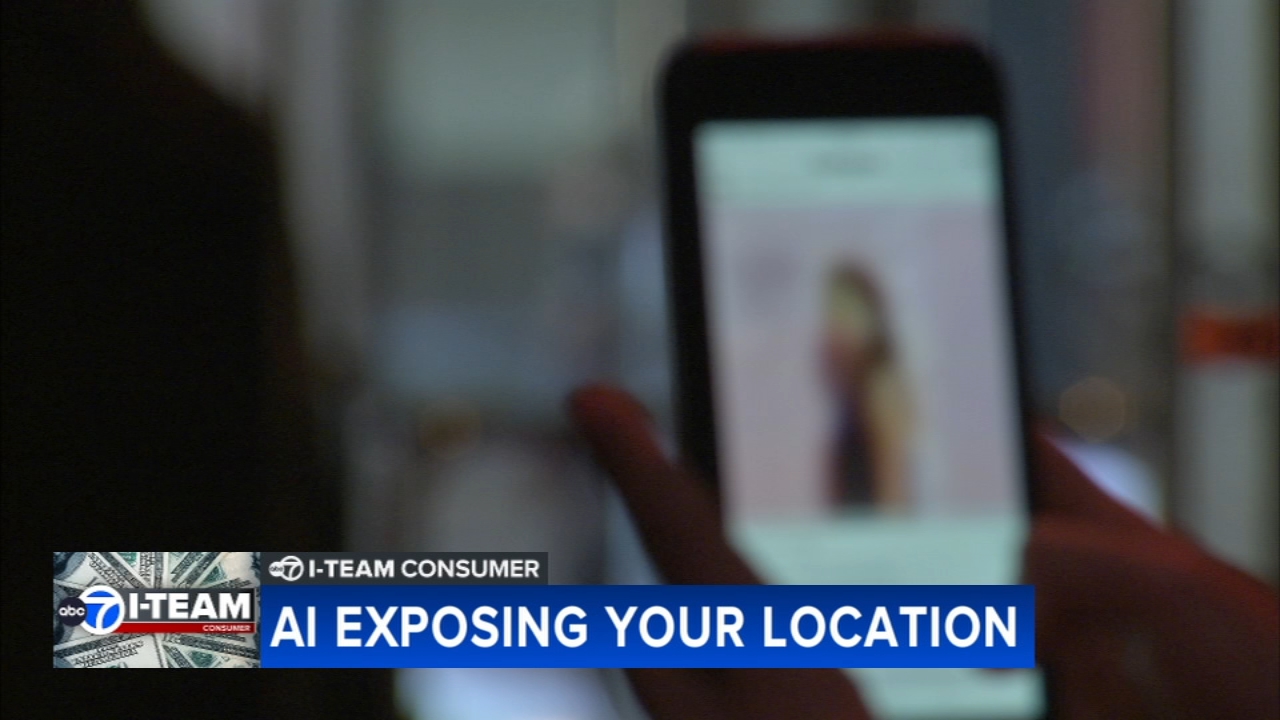
CHICAGO (WLS) -- Posting vacation photos in real time could expose travelers to increasingly sophisticated scams, according to cybersecurity experts who say artificial intelligence can help bad actors determine a person's location even when it is not disclosed in a social media post.
Steve Grobman, chief technology officer at McAfee, told the ABC7 I-Team that scammers can use AI tools to analyze images for clues about where someone is traveling.
ABC7 Chicago is now streaming 24/7. Click here to watch
"People are posting in real time on their vacations. That seems to be the way to do it, but what's the issue?" the I-Team asked.
Grobman responded, "The issue is people don't understand with the advances in artificial intelligence that bad actors can know where you are not by what you write in posts but analyzing pictures in AI models."
According to Grobman, scammers can scan photos for details that reveal a location and then use that information to launch phishing schemes.
"they can pick up words on a sign or a menu or even the vegetation in the area to let a bad actor know where you are and have a targeted attack against you," he said.
Once scammers believe they know a person's location, they may contact travelers while impersonating airlines, restaurants or other organizations.
Top Stories

"If they know where you are they can claim there are charges on a card or you didn't pay a fee ..if they can tell what country you are in, they can have a note come form impersonating a government official saying you didn't pay your exit tax. if you don't pay 50 dollars, we will refer you to Interpol or next time you come into the country you will be held at customs those things create a sense of fear," Grobman said.
SEE ALSO | Our Chicago: Artificial intelligence in our everyday lives
He also warned that scammers may combine AI-generated voice technology with information gathered from social media posts. In those cases, criminals could contact a traveler's loved ones, impersonate the traveler and claim to be in danger or in need of money.
"The most minute detail in a post can be picked up in AI models...anything you are posting is not only available to human ears and eyes but AI models that bad actors are using," Grobman said.
McAfee recently tested the concept by analyzing photos to determine whether locations could be identified. According to Grobman, the company found that many images contained clues that could reveal where they were taken.
"We used a model that was able to analyze 20,000 images where we knew the location in 91 percent of instances there was some clue within n those images that would be able to let a know what the location was," he said.
Experts recommend increasing privacy settings on social media accounts to limit who can view posts. They also suggest waiting until after returning home to share vacation photos.
If travelers receive messages from an airline, hotel or government official, they should avoid responding directly and instead contact the organization through official channels. McAfee and other companies also offer services designed to scan for AI-generated messages.