Illinois transit riders, workers could be affected by layoffs, reduced service to bridge budget gap


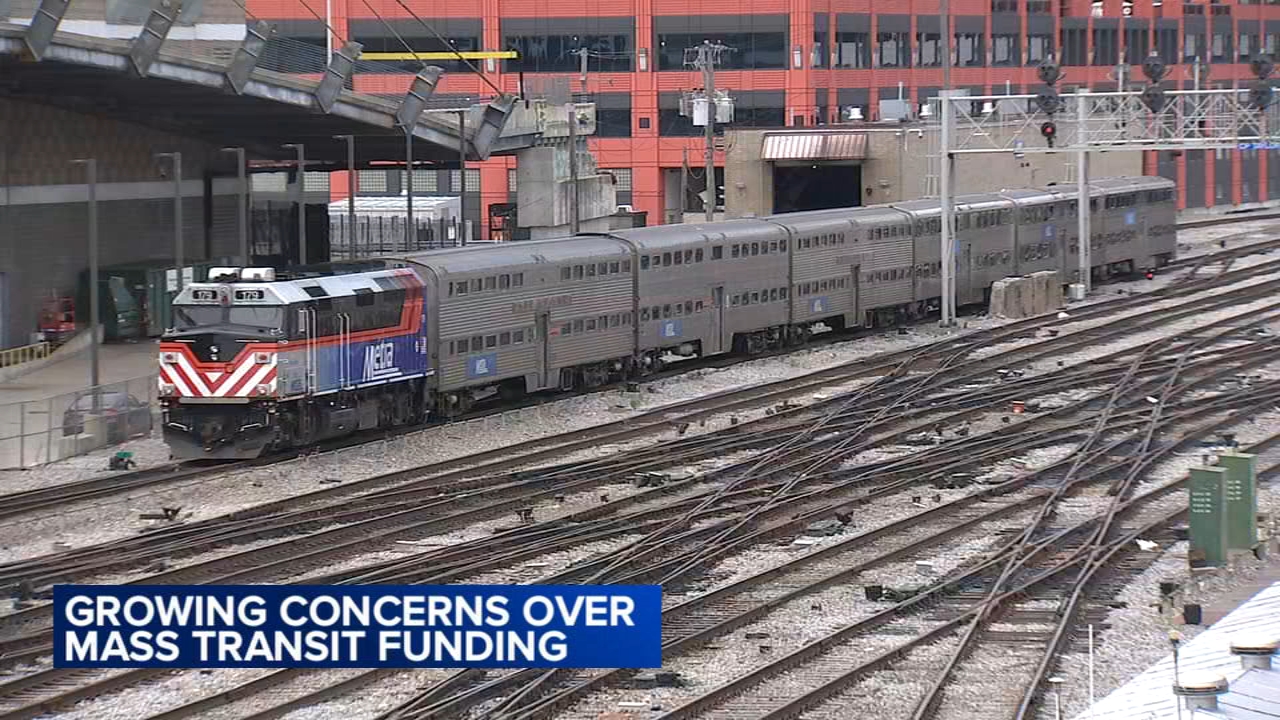
CHICAGO (WLS) -- On Friday, the news was grim, as the committee tasked with looking at funding for the Regional Transportation Authority gave an outlook.
Riders and workers will be affected by fare increases, thousands of layoffs and reduced services to bridge an anticipated budget gap of $202 million in 2026 and $790 million in 2027.
ABC7 Chicago is now streaming 24/7. Click here to watch
"These consequences are finally being understood, and I think we need to bring even more transparency into this exercise and communicate it much better," RTA Board Director Thomas Kotarac said.
The RTA Board of Directors hopes the state legislature will pass a bill to address the agencies' costs and needs to improve service and infrastructure in the fall veto session.
"I would hope the legislature doesn't kick the can down the road, and they would give us a future, a good one, more meaningful transportation, extra rides, extra trains," Chairman of the RTA Board of Directors Kirk Dillard said.
Layoff notices could start going out next year without more state funding.
RELATED: President Trump pauses $2.1B for Chicago infrastructure projects, affecting CTA Red Line extension
"I am worried, not just for myself, but the people that our transit system, colleagues that dedicate their lives to serve," said Darrell Brewer, a Pace vehicle service attendant,
"We know the public has been asking for better service. How are we going to retain the workers we have who have dedicated their lives to this when they might not have a job in a year or two and might start thinking, 'should I start looking for a new job?'" said Alyssa Goodstein, Illinois communications director for the American Federation of Labor and Congress of Industrial Organizations.
For riders, more expense and less service is not what they are looking for.
"I think it would definitely be more difficult for more commuters because sometime the trains are super full in the morning. And even though they run pretty often, every 20-30 minutes, I think the trains would be way more packed," Metra rider Cassie Silva said.
"A little bit more but it's harder once you add it up. It's quite an expense," CTA rider Luis Corral said.
The transit agencies are expected to submit budgets to the RTA in November to be voted on in December.
Agency heads hope to have a more positive outlook after the veto session.