US courts putting in safeguards after case management system hacked, exposing sensitive intel
Government officials worry that stolen information could now be in the hands of the very people it was intended to take down.

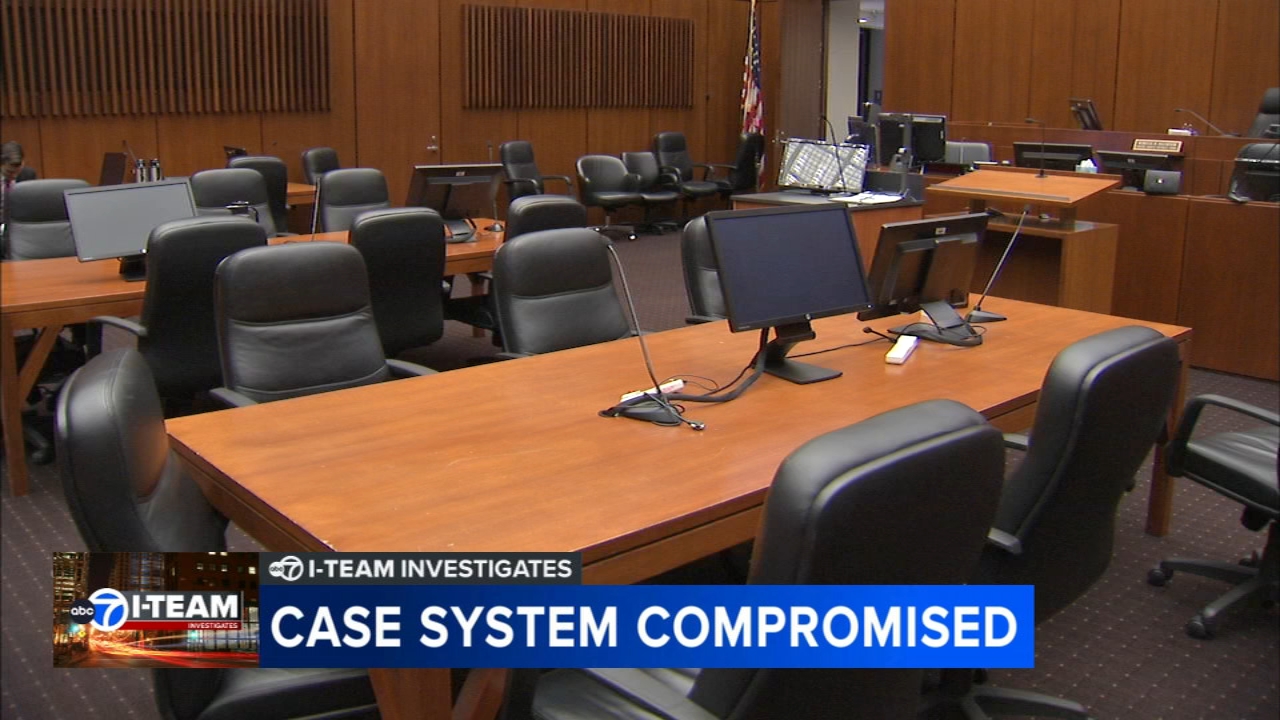
CHICAGO (WLS) -- When the youngest son of the drug kingpin, El Chapo, agreed to cooperate with federal prosecutors in Chicago last month, the high stakes deal opened the door to a cache of intel and witnesses.
Now, it's that kind of information that experts worry could be exposed and in the hands of bad actors.
ABC7 Chicago is now streaming 24/7. Click here to watch
"They could get the identities of confidential informants. They could see the contents of search warrants before the searches have been executed. They could get a look at sealed indictments before the indictments have been unsealed," former federal prosecutor and ABC7 chief legal analyst, Gil Soffer, told the I-Team.
The U.S. courts system now acknowledges their case management system has been compromised in what it calls "cyberattacks of a sophisticated and persistent nature."
Soffer says the hack is alarming, "If I'm a defense attorney representing a confidential informant, you bet I'm worried. I'm worried because if that person's identity is disclosed and that person is in danger, that's my greatest worry. But really it goes beyond that. Even in civil cases, there are whistleblowers who bring actions, and those cases, those civil complaints, are put under seal, and if that cover is blown, then it compromises the government's ability to investigate a whistleblower complaint."

In a statement, the U.S. Courts System said: "The vast majority of documents filed with the Judiciary's electronic case management system are not confidential and...readily available to the public..." but admitted "some filings contain confidential or proprietary information.." and "To better protect them, courts have been implementing more rigorous procedures to restrict access to sensitive documents under carefully controlled and monitored circumstances."
Government officials worry that stolen information could now be in the hands of the very people it was intended to take down.
Jack Riley spent a career at the Drug Enforcement Agency and says members of international drug cartels are fighting for their survival. "Don't think for one minute, those resources don't allow them to hire some very talented hackers. Their ability to identify witnesses prior to trial is alarming to me, and I don't think we've seen this at this scale, ever," Riley told the I-Team.
The court system infiltration comes just weeks after an inspector general's report revealed a Mexican drug cartel hired a hacker to tap into a camera system and track the movements of an FBI official in 2018.
The clerk's office for the Northern District of Illinois, based in Chicago, would not comment further when the I-Team asked about whether the cyberattack impacts records for cases here, or what measures are being taken.
Vulnerabilities to cyberattacks have been a concern for years according to the U.S. Courts. They reported the system suffered a similar attack in January 2021.