Chicago's search for ShotSpotter replacement stalls amid delays from Procurement Department


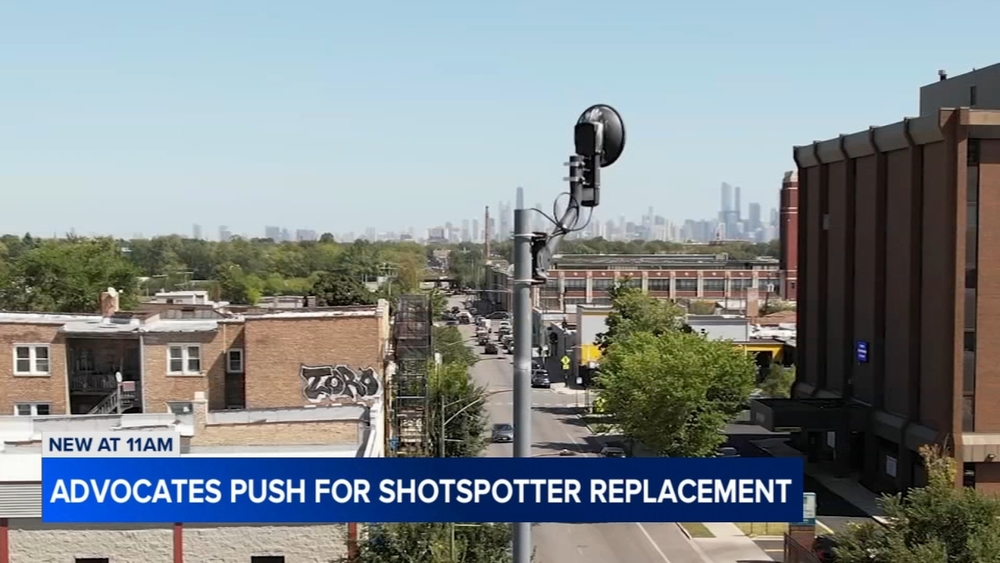
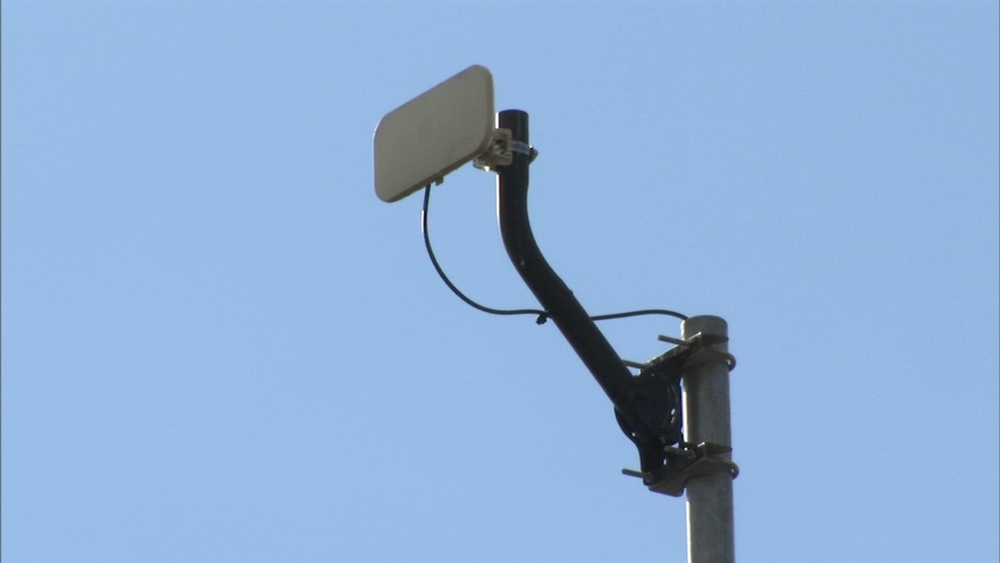
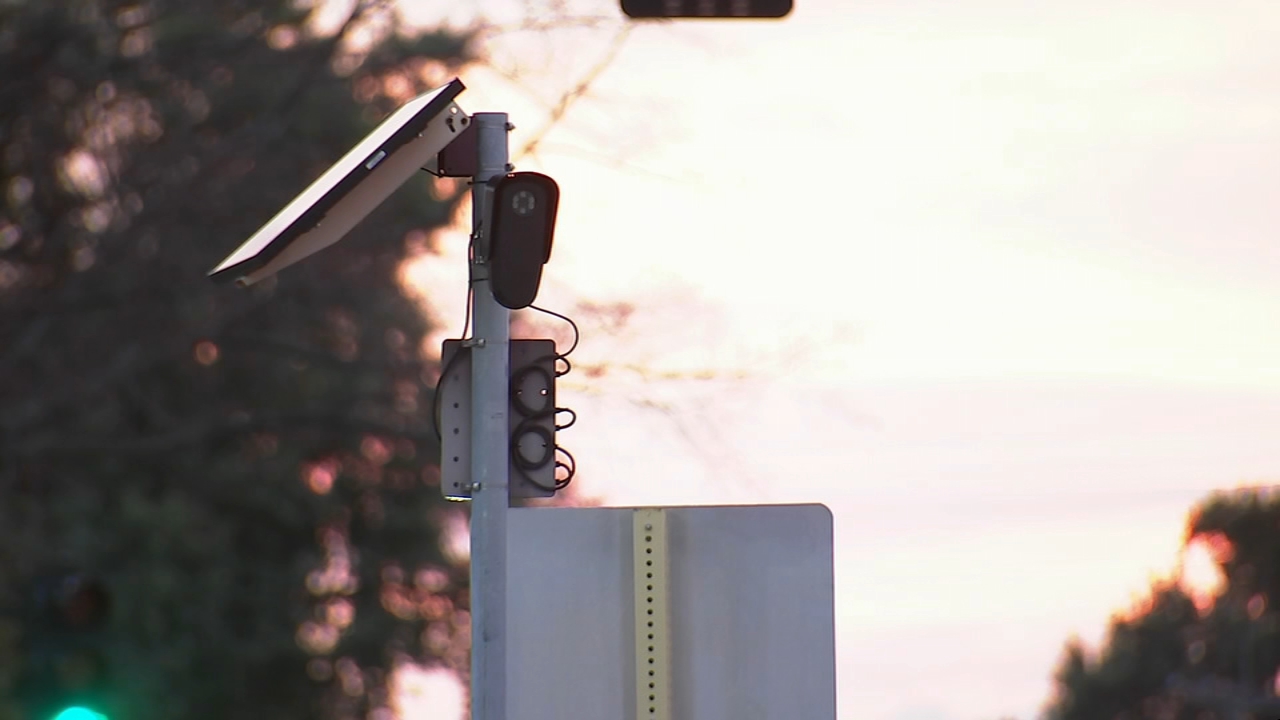
CHICAGO (WLS) -- The City of Chicago ended its contract with ShotSpotter nearly two years ago amidst criticism that it simply did not work and had police wasting valuable resources.
But despite promises to seek a replacement, the process remains ongoing, to the frustration of those who believe it does work and is needed to combat crime.
ABC7 Chicago is now streaming 24/7. Click here to watch
It was during a meeting 13 months ago where city officials disclosed that nine vendors had come forward to bid on the city's call for a replacement to the controversial ShotSpotter technology, which Mayor Brandon Johnson famously referred to as "a walkie talkie on a stick."
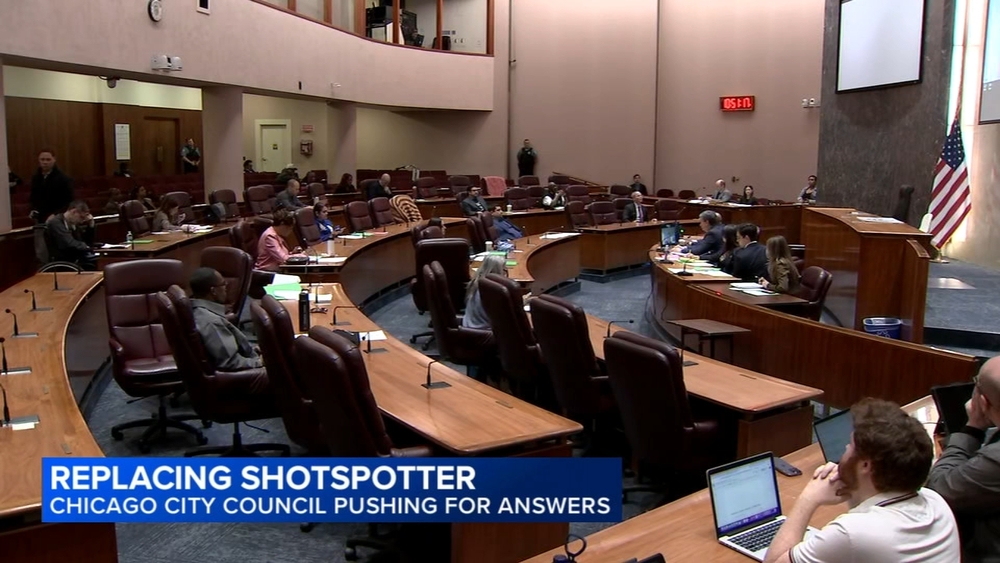
To this date, no replacement has been selected, leading to impatience amongst many in the Chicago City Council who support its use.
"Either we get the ball moving again, and we get a new gunshot detection system out there, or let's just be honest with people and have the mayor say, 'I've changed my mind. I don't want it,'" said Public Safety Committee Chairman Ald. Brian Hopkins.
Johnson has brushed off pressure to make a decision, pointing to the city's violent crime data since the contract's cancellation.
"In every single neighborhood where that junk technology existed, violence has gone down, and there has been a faster response from law enforcement," Johnson said.
The mayor attributed those faster response times to a University of Chicago study that compared the six months prior to ShotSpotter's cancellation with the six months after. What the study did not do was include responses to gunshot incidents.
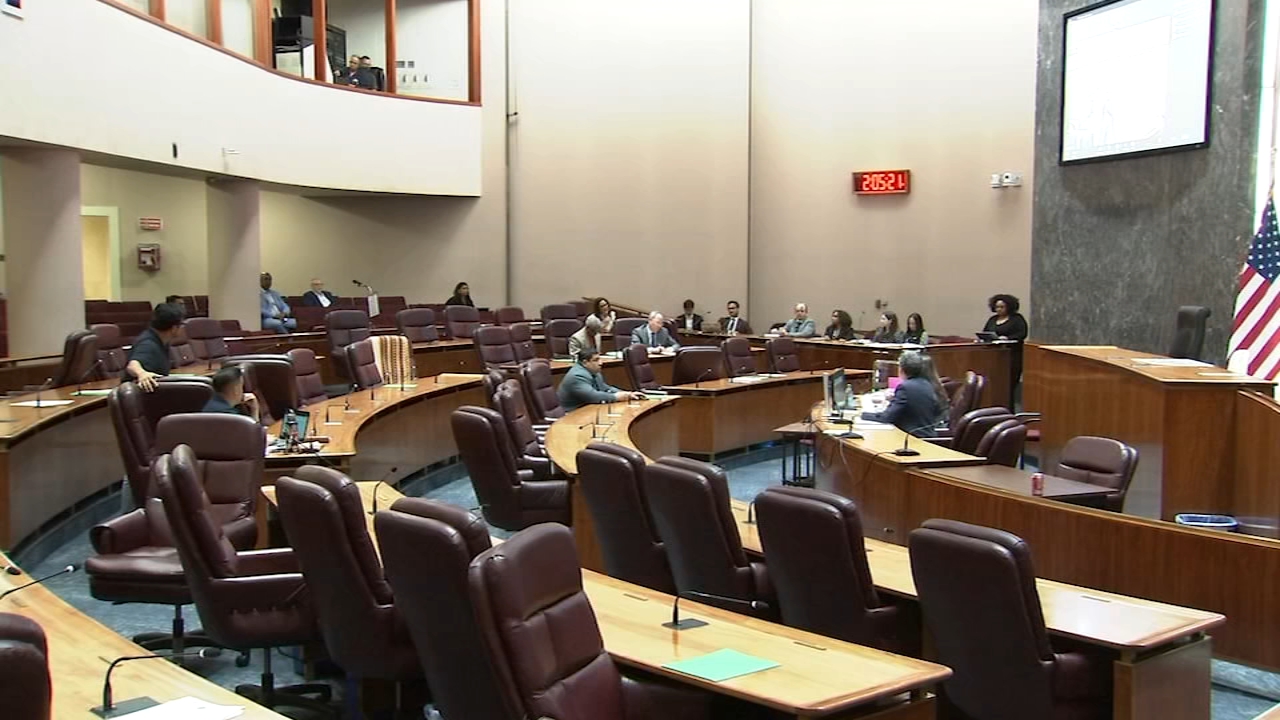
Appearing before the city council on Tuesday, the study's author indicated that he never meant to imply that one thing had anything to do with the other.
"A single before and after comparison cannot carry that weight. But what I can tell you is that the predicted catastrophe of slower response times and more death did not arrive," said University of Chicago Professor Robert Vargas.
But even as the mayor has indicated that his office supports finding a replacement, his allies in the city council loudly questioned the need for any gunshot detection technology at all on Tuesday.
"If we are going to be investing millions of dollars in a technology, we have to have clarity on, what is it that we want this technology to do and if this technology is proven to do that," said 33rd Ward Ald. Rosanna Rodríguez-Sánchez.
Under the rules, the city's Procurement Department has until next February to make a selection. Hopkins, who also chairs the public safety committee called on them to get it done within the next 90 days.