Local advocates concerned over Trump admin. omission of nursing as professional degree program
The policy change limits access to federal loans for graduate students pursuing advanced nursing degrees.


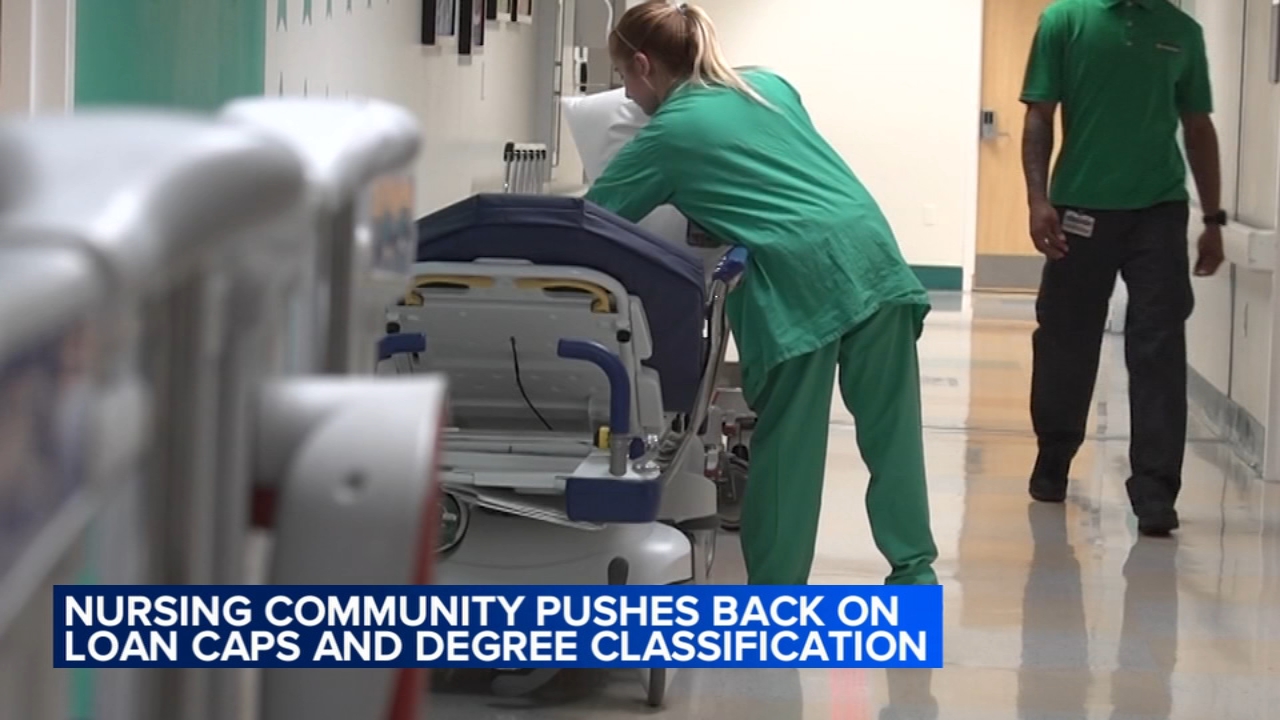
CHICAGO (WLS) -- Nursing advocates are responding to the Trump administration's omission of nursing from its definition of "professional degree" programs.
The policy change limits access to federal loans for graduate students pursuing advanced nursing degrees.
ABC7 Chicago is now streaming 24/7. Click here to watch
There are wide-ranging implications.
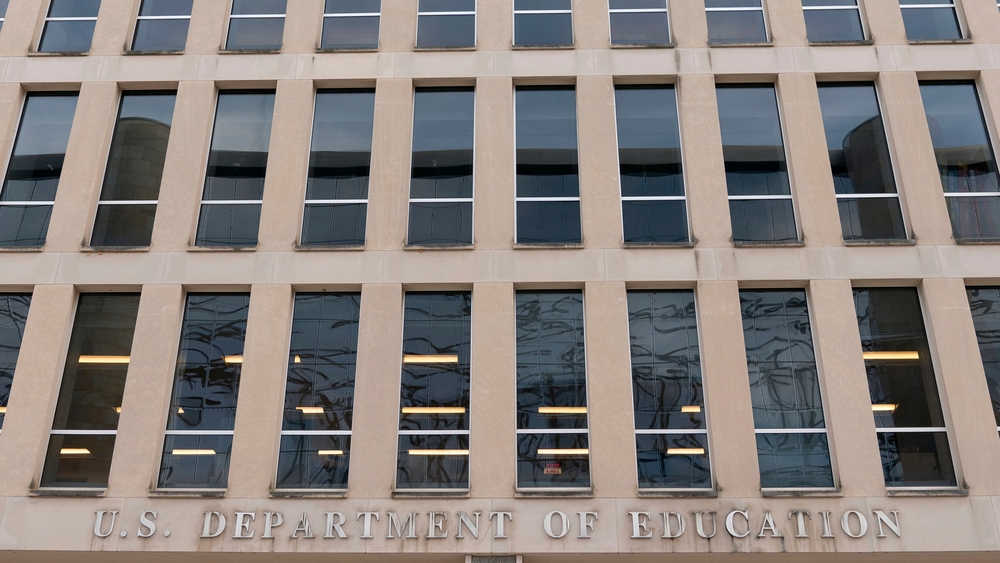
Nursing organizations nationwide are signaling concern over the Department of Education's classification of career paths that fall under the designation of "professional degrees."
However, the Department of Education says the federal definition of "professional degree" has been in effect for decades and has never included nursing.
"It's just such an insult to nurses everywhere," said Teresa Peterson, a post-anesthesia care nurse at UChicago Ingalls.
Peterson is a nurse specializing in post-anesthesia care. Her concentration required an advanced nursing degree: a course of study that some health care professionals worry is threatened by changes made by the Department of Education.

SEE ALSO: Judge dismisses James Comey, Letitia James indictments; says prosecutor was illegally appointed
"I just feel at this time we should be increasing our resources for our nurses, not cutting our resources. If we are supposed to be providing great care to patients, we need resources. We need education," Peterson said.
While traditional four-year nursing programs are not impacted by the changes, the Trump administration's "One Big Beautiful Bill" Act is capping federal student loan borrowing for master's and doctoral-level degrees starting in July. A nursing degree, for example, tops out at $100,000 in federal loan access, while students pursuing doctoral degrees can borrow twice that amount.
"There aren't enough anesthesia providers out there. So nurse practitioners and nurse anesthetists fill that gap. And if they don't, those degrees cost a lot of money to achieve. And if you don't have the money to go to school, then you're just going to exacerbate the shortages in the health care system," said Eileen Collins, dean of the University of Illinois Chicago College of Nursing.
The Department of Education is pushing back on the criticism from the public health community, telling ABC News that the suggested loan limits are more than reasonable because the average cost for master's of science in nursing programs range from $15,000 and $43,000.
"The degrees that it will impact most would be the nurse anesthesia degrees. Those are quite expensive, and they are more than $100,000. They typically run between $120,000 and $140,000," Collins said.
Beyond the federal loan limits, many nurses right now are upset about the lack of designation as a "professional degree."
The Trump administration clarified Monday that the classification of professional degree is simply an internal definition to distinguish programs for federal loan limits and not a value judgment about the importance of programs.