1st vertical farm in downtown office building in US now in Chicago's Loop


CHICAGO (WLS) -- The first vertical farm in a downtown office building in the U.S. is now in Chicago, and it's just the start.
It's about as fresh as it gets.
ABC7 Chicago is now streaming 24/7. Click here to watch
They cut cilantro with scissors, put it into containers and get it ready to send off to local restaurants, where it could be on the plate that same night.
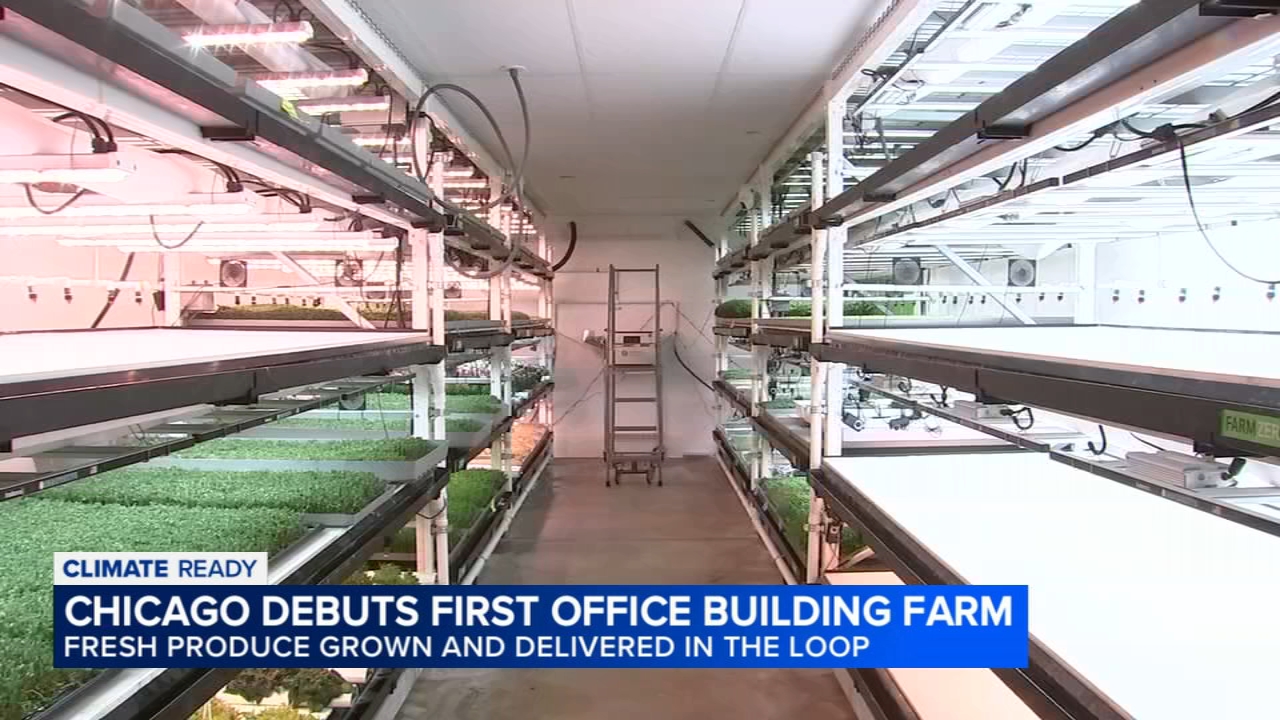
It's all grown right in a Loop office building on La Salle Drive. In fact, a law firm used to occupy the space. Now it's a revolutionary new kind of farm.
"We don't have the challenge of pesticides. We don't have pests and rodents and things like adverse weather conditions knocking out entire crops," Farm Zero CEO Russ Steinberg said.
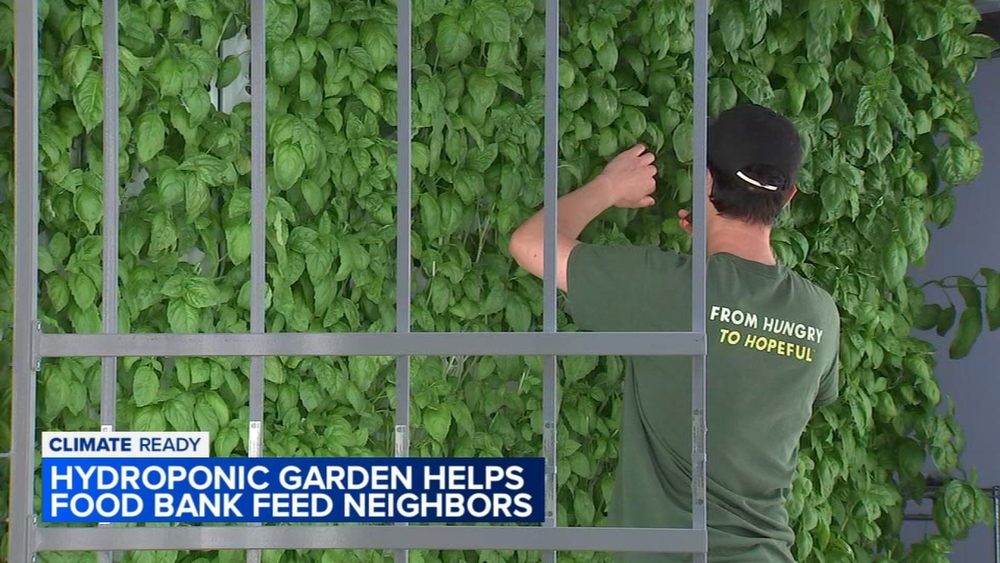
Right now, they grow everything inside a 500-square-foot space in trays with a hydroponic system for drip watering that recirculates.
There's no actual soil. It's a cotton-like material. And LED lights are a fine substitute for sunlight.
SEE ALSO: Climate Ready: Midwest ski resorts 'cheat' mother nature to survive season
Right now, they have a somewhat limited capacity, but they are growing quickly with plans for a massive new site at the former home of Robert Morris University on South State Street.



The building is 137-years-old, and takes up an entire block at about a half a million square feet. It's plenty of space to grow a tremendous amount of food.
"We're developing land inside downtown vacant office buildings," Steinberg said.
Blue Plate Catering is one of Farm Zero's customers. They say they value the fresh healthy vegetables they are able to get from a company right down the street.
"If you go to Whole Foods or Mariano's, that food is coming from California or Mexico. Eighty percent of our food comes from there. So, to have a local business that can support, I think it's a huge breakthrough," Blue Plate Executive Chef Charles Haracz said.
And with 45-million-square-feet of vacant office space in downtown Chicago, there is plenty of room to grow.
"We have designs on creating an entirely new food system, tackling some of the major challenges that exist between commercial real estate vacancy, public health crisis," Steinberg said.
It's also a big place for eco-tourism. They've hosted tours for everyone from school groups to international business people.
Many of them get a chance to sample the goods.